Cooper Union Library: Using Usability Testing to Redesign the Cooper Union Library Experience
Role
Usability Researcher & Designer
Team
Team of 5
Timeline
March 2024 - April 2024
Skills
Usability Testing
Survey Research
User Research
Research Recruitment
Interaction Design
Visual Design
Project Management
Tools
Figma & FigJam
Google Docs
Google Forms
Tableau
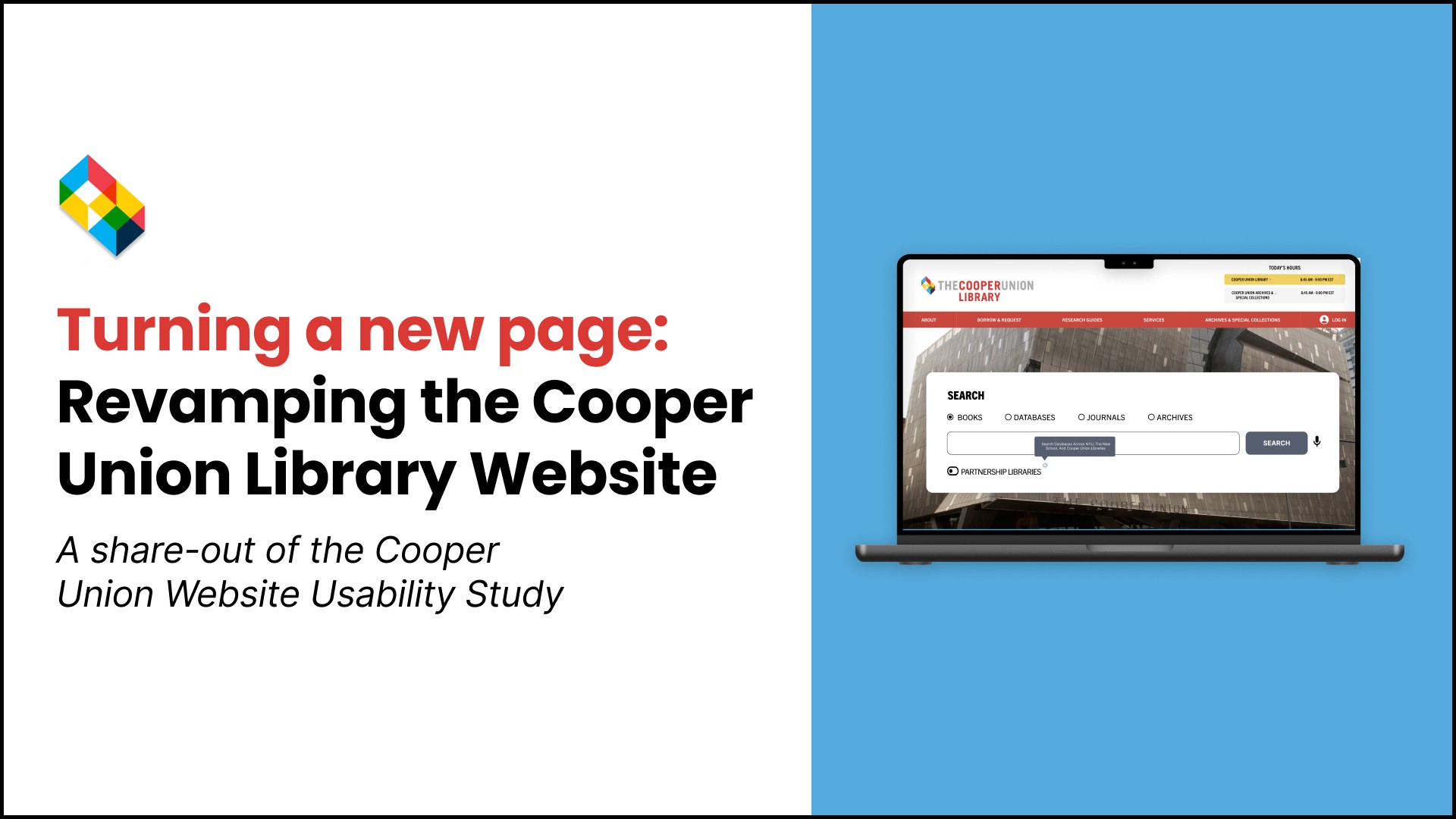
As a consultant for the DX Center at Pratt, I had the opportunity to work on a client project with the Cooper Union Library.
My team and I conducted usability testing on the Cooper Union library website and made recommendations for enhancements.
As of Nov. 2025, our designs were implemented into the Cooper Union Website. They can be viewed here.
Problem
Understanding what students needed
During kickoff, we met as a team with the Cooper Union team to determine the project goal, which was:
Explore students' understanding and expectation of the search-navigation flow on the Home Page and Search Results website page.
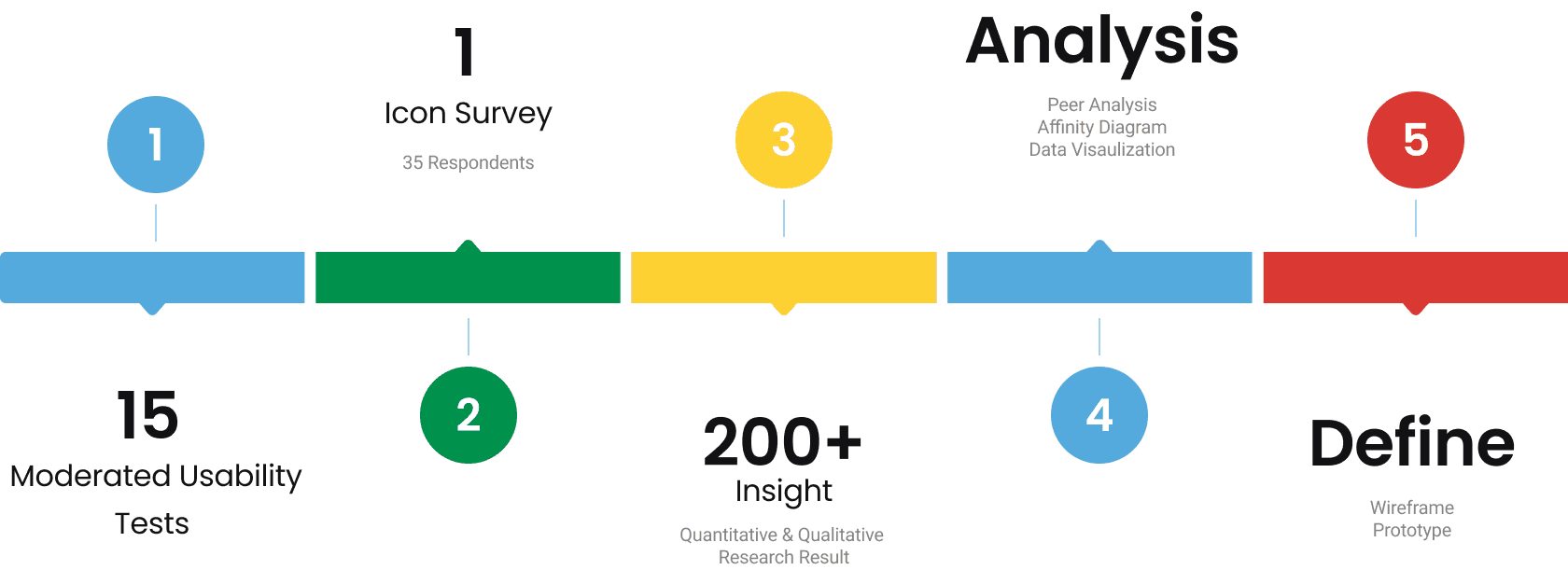
Our Process
Solution Overview
Three solutions that transformed the library experience
Based on our usability testing with 15 Cooper Union students and icon survey results, we created prototypes for a new redesign. We took a bold approach and suggested a complete revamp of the site.
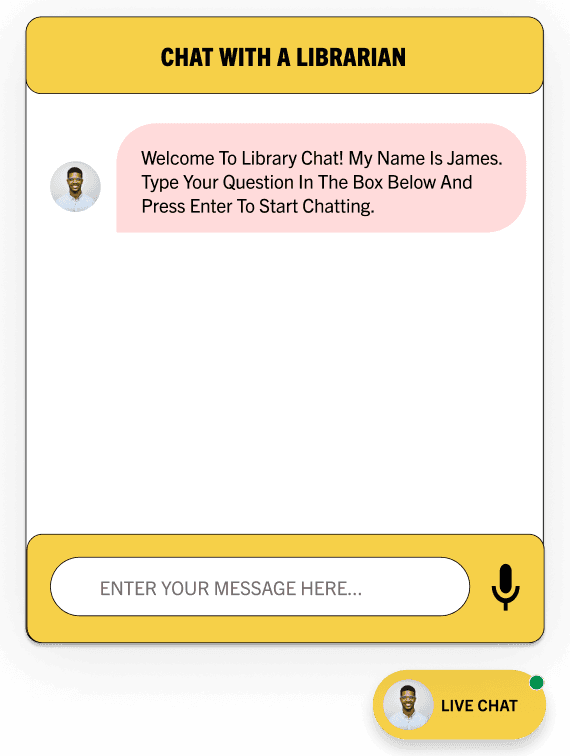
Issue - 80% users ignored the ‘Ask a Librarian’ box
Solution - Increase visibility of the “Ask a Librarian” chatbot
During user testing, we found that 80% of users ignored the “As a Librarian” button. It simply was just not visible enough to them. As a result, we redesigned it to be more discoverable and humanized.
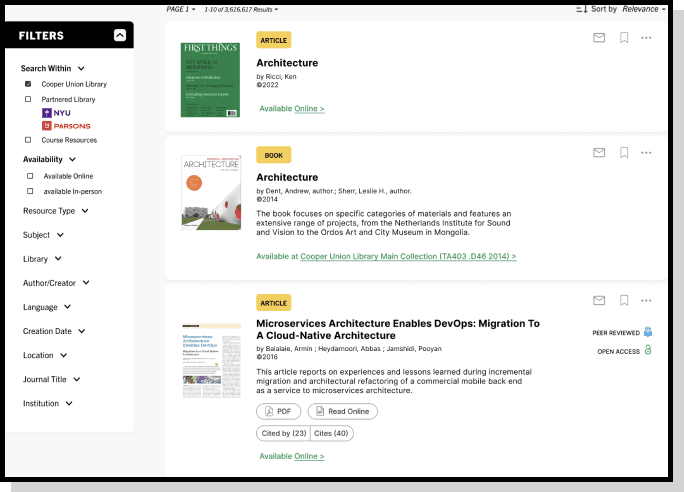
Issue - 100% users found elements and wording to be confusing
Solution - Update the search page
Based on results of our icon survey and user testing, we found that there were multiple points in the search flow that caused user confusion. As a result, we updated some design and some wording on the search page to provide user’s clarity on each button or certain terms.
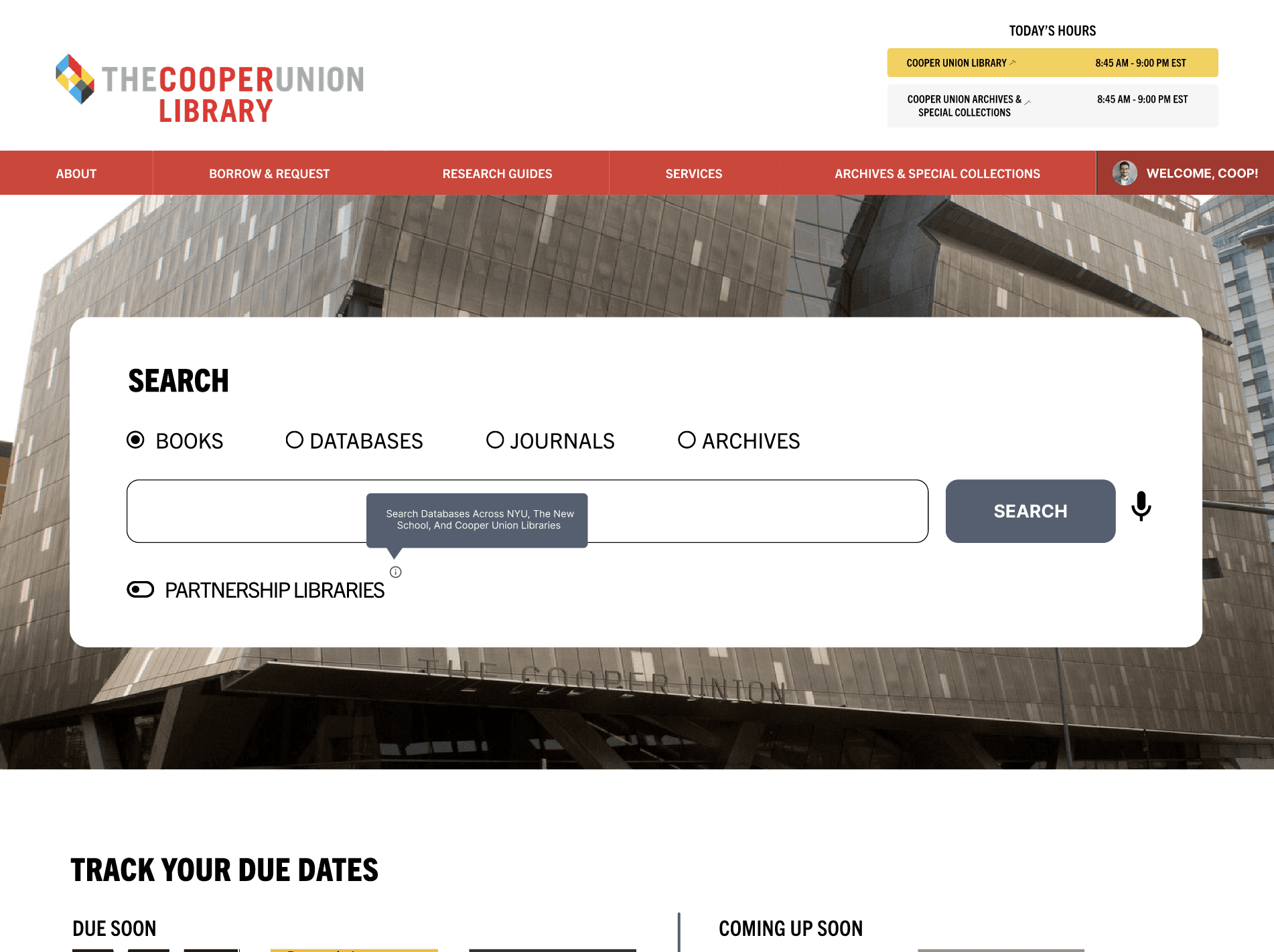
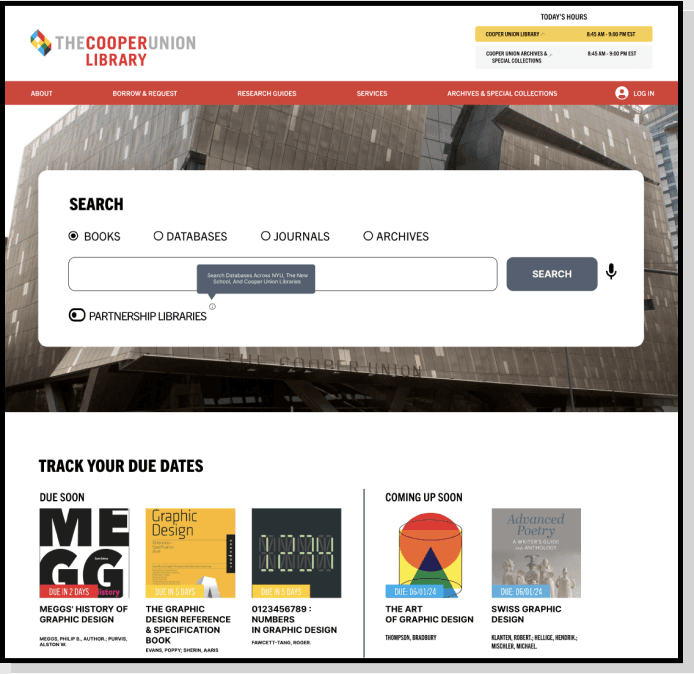
Issue #1 - 87% users found the Home page busy and "gray"
Solution- Let’s revamp the homepage!
Users found the current homepage very busy and “grey”. They also found it incredibly uncommunicative as well. As a result, we suggested a full redesign of the site, including the typography and color scheme of the Cooper Union.
Solution Overview
Bonus Recommendation
Usability Testing
Testing with the people who actually use the library website
We conducted remote moderated usability testing with both the existing Cooper Union Library site and our prototypes. We chose remote testing because it allowed us to observe students' real reactions and ask follow-up questions as they navigated the site.
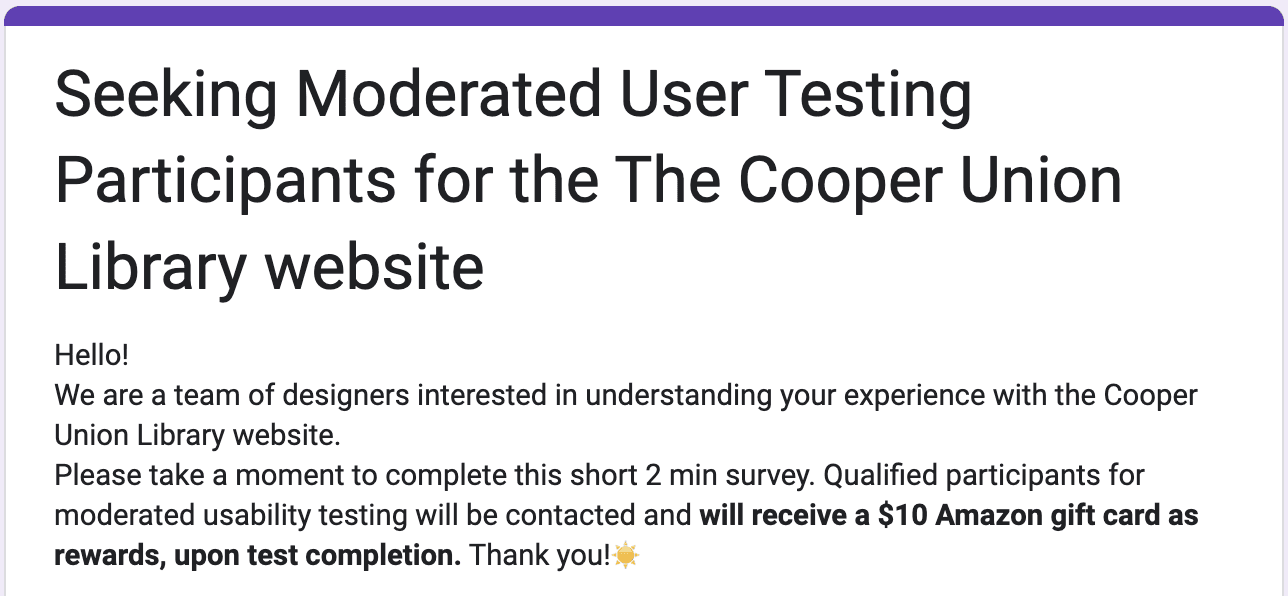
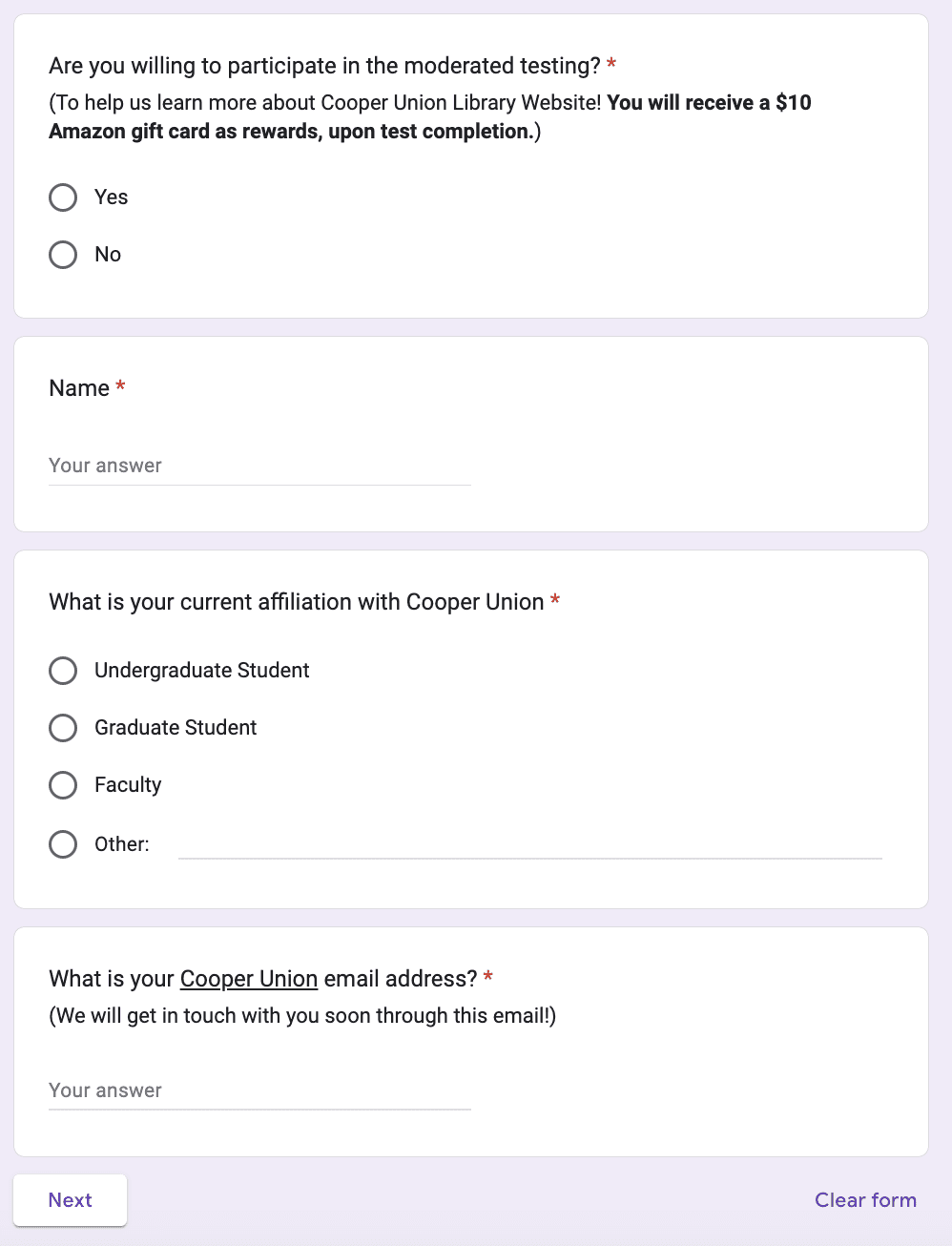
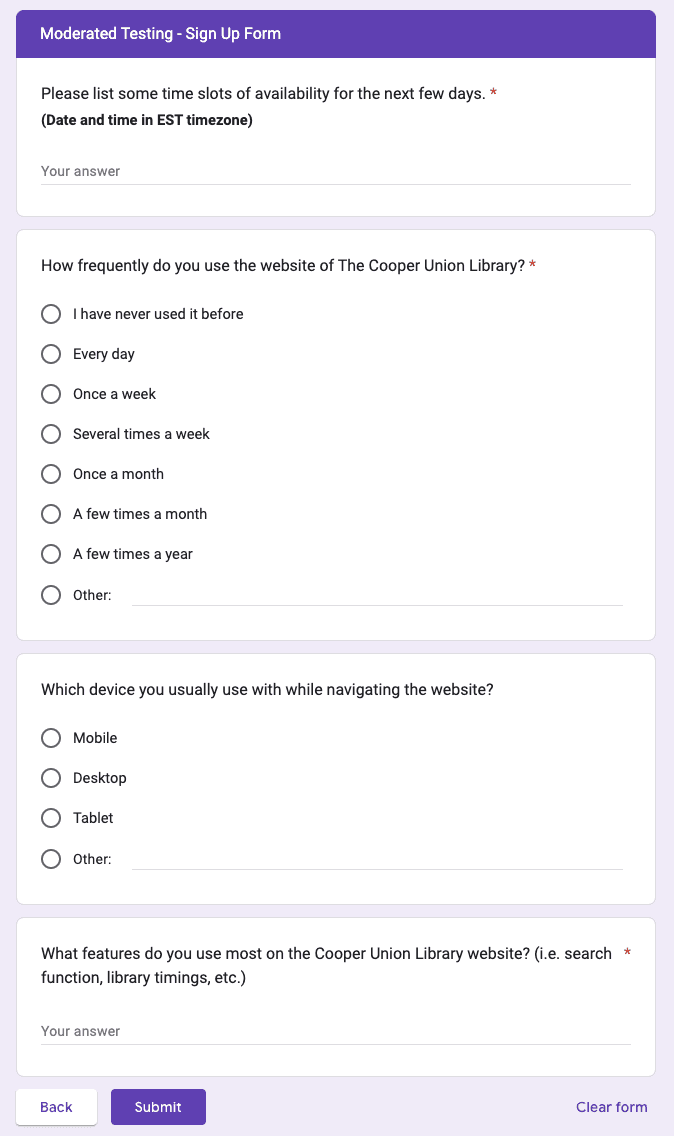
Recruiting busy college students required creativity
Because we had a very niche user base (Cooper Union students), we needed to be strategic with recruitment. We understood that our primary users are busy college students, so we created a survey to capture their participation availability and contact information.
Three strategies that worked:
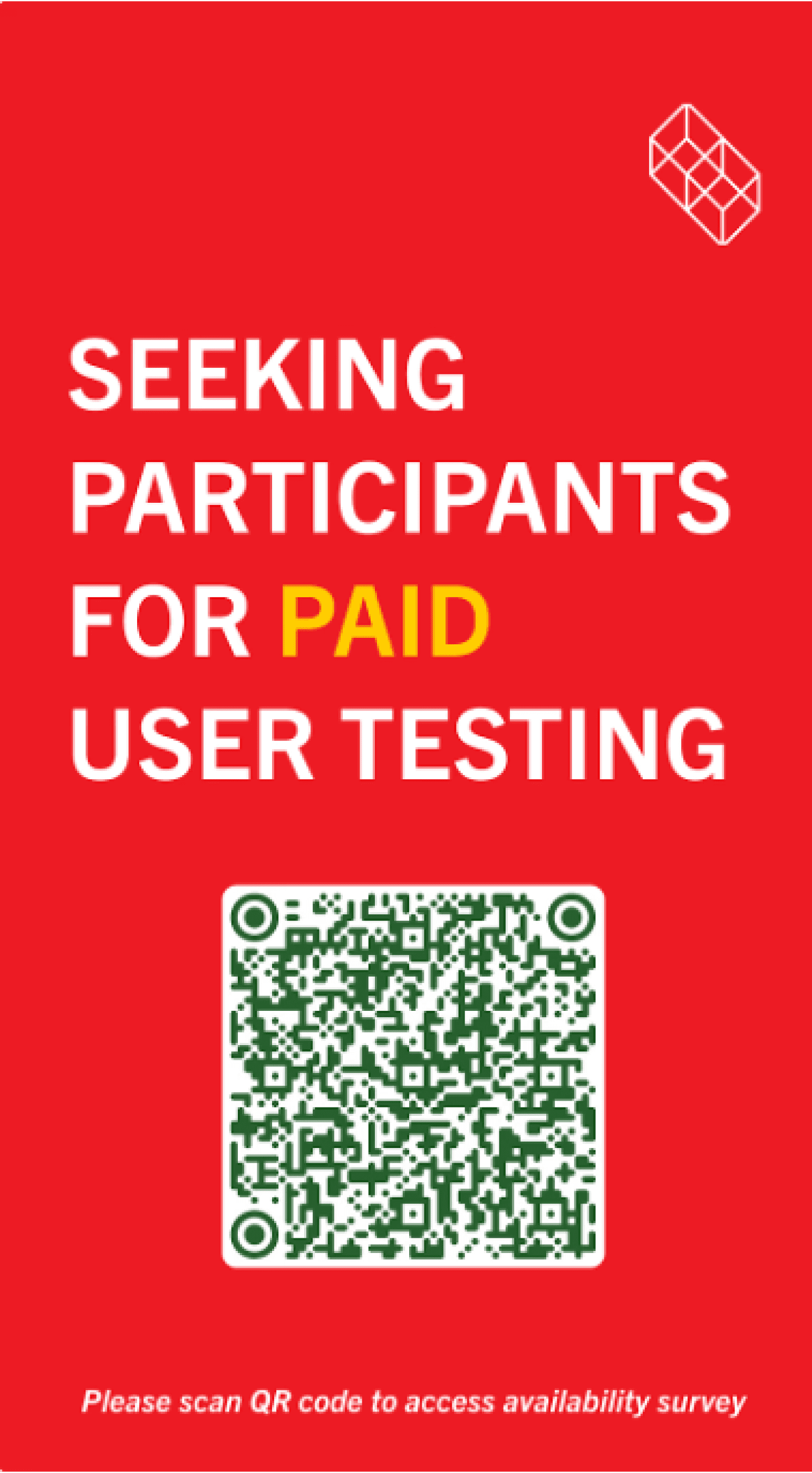
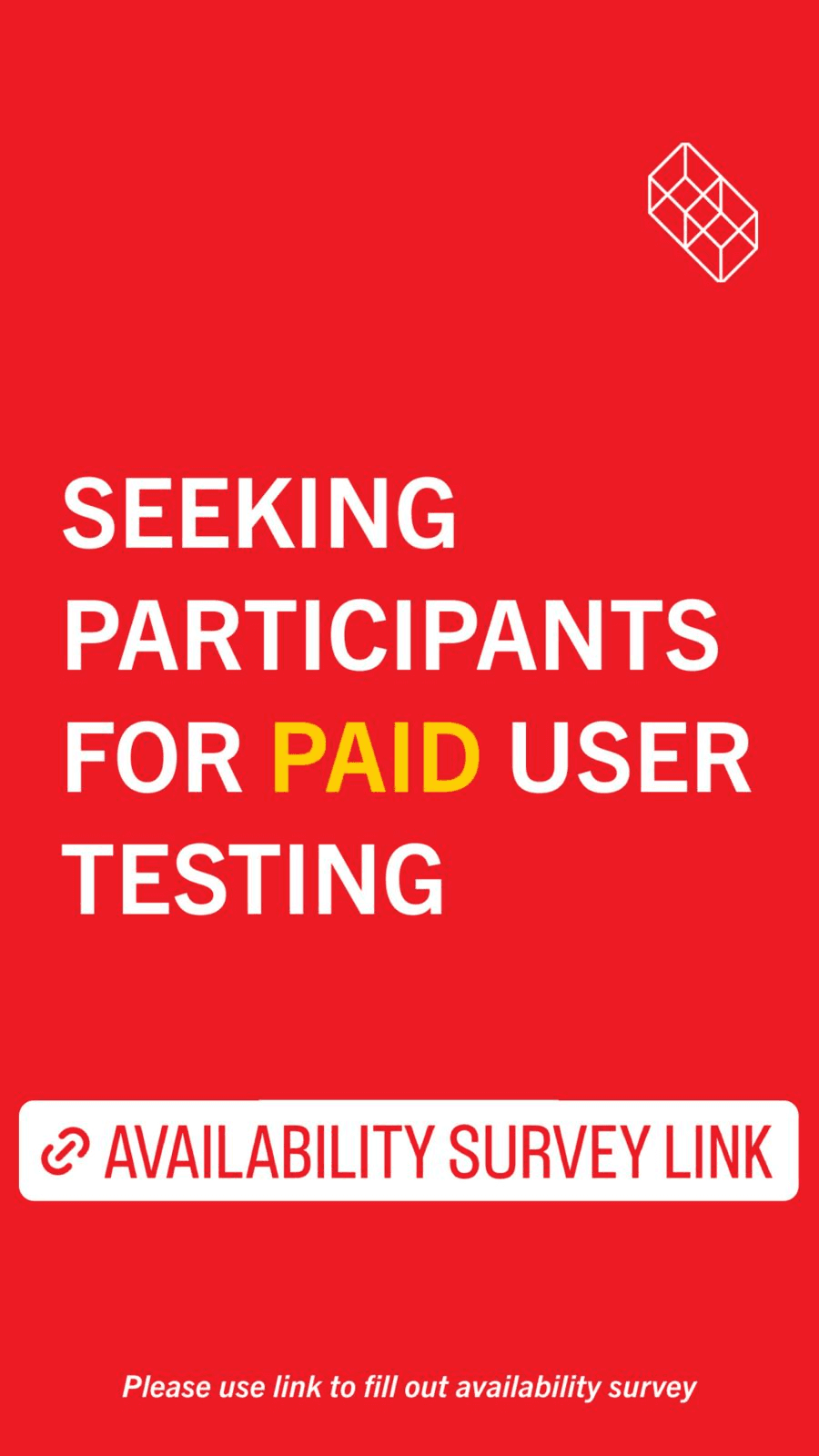
Infographic with QR code
We created a graphic that our client could post on social media or print and hang in their library. Students could scan the QR code and immediately fill out the survey.
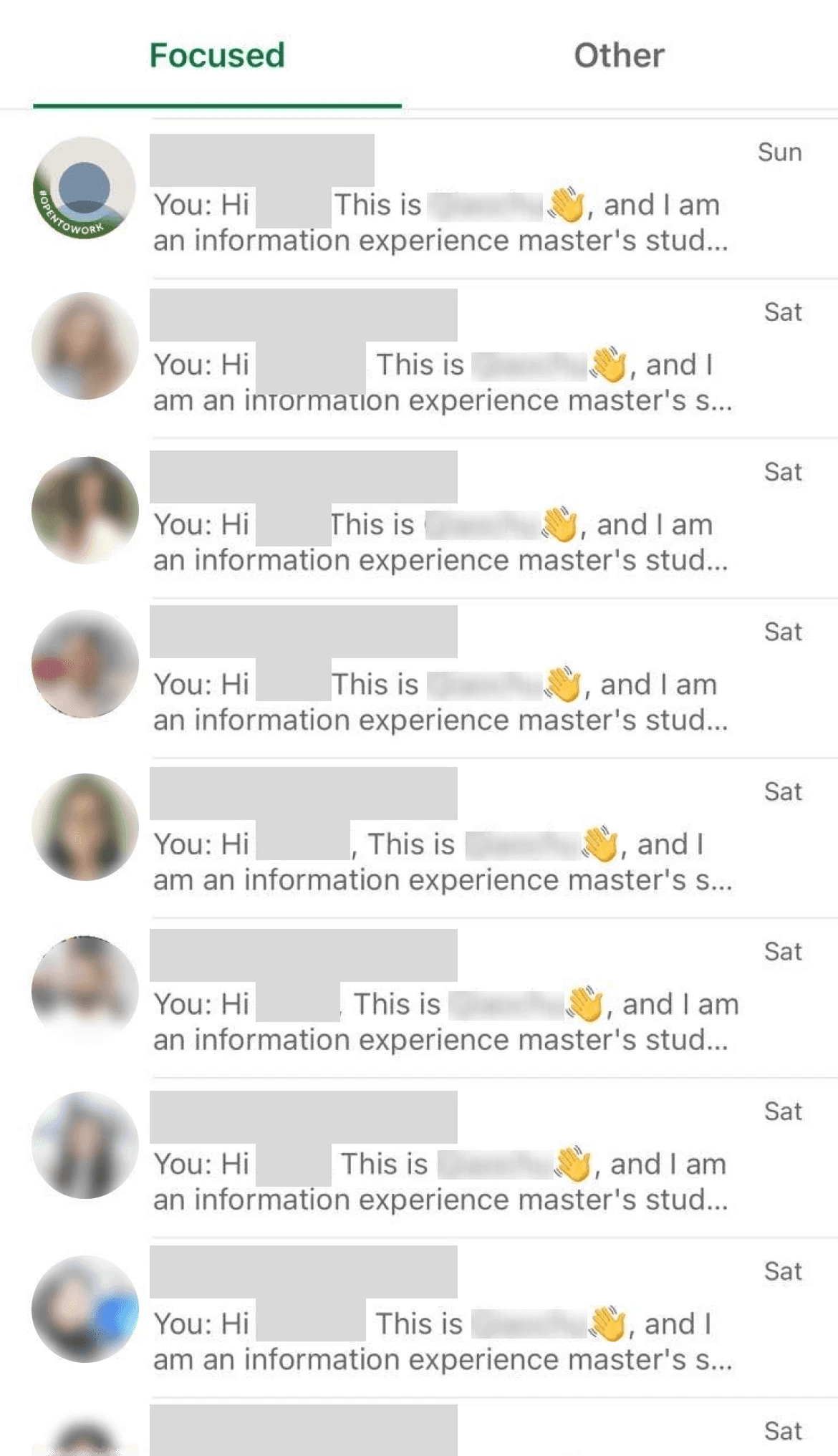
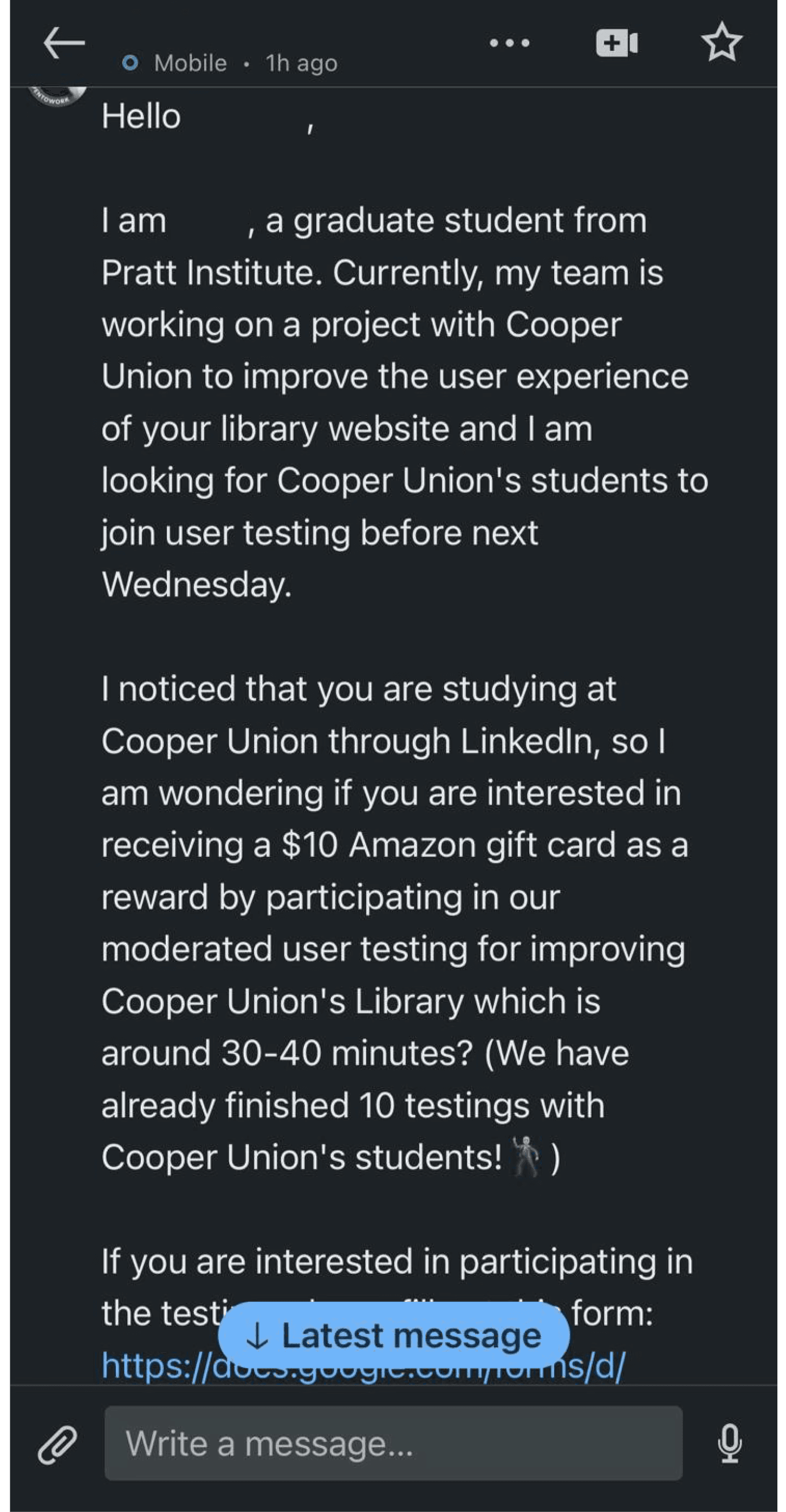
LinkedIn outreach
We reached out to current Cooper Union students over LinkedIn to see if they were interested in participating. If yes, we sent them the survey.
Word of mouth
We asked our client to spread the word about our study. Additionally, we asked our friends and families to spread the word to any Cooper Union students they knew might be interested in participating.
Getting participants committed
Based on our outreach, we got 15 student responses to the survey, all willing to participate! We reached out to each student via email to schedule sessions and collect signed consent forms.
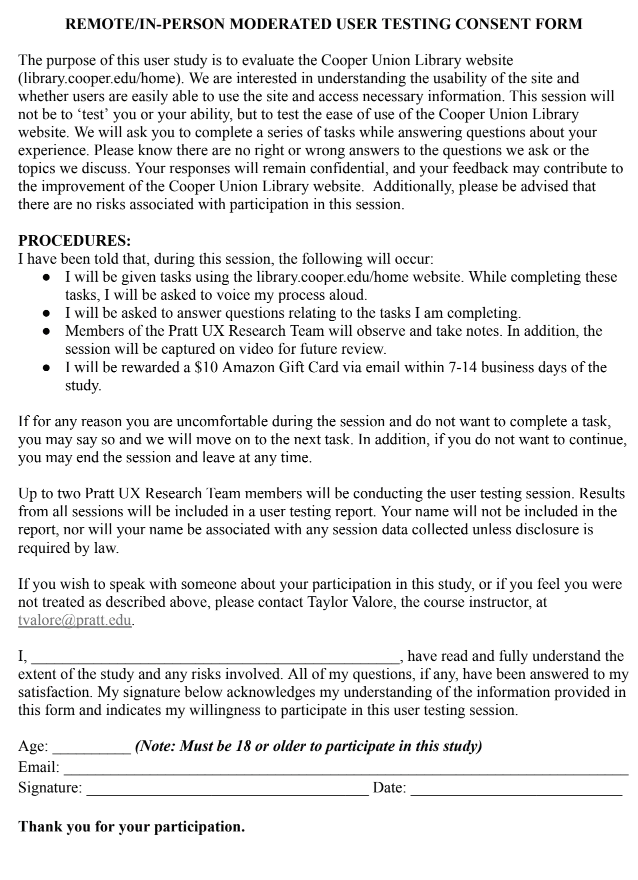
With the meetings booked and the forms signed, we were ready to start user testing!
How we structured our testing sessions
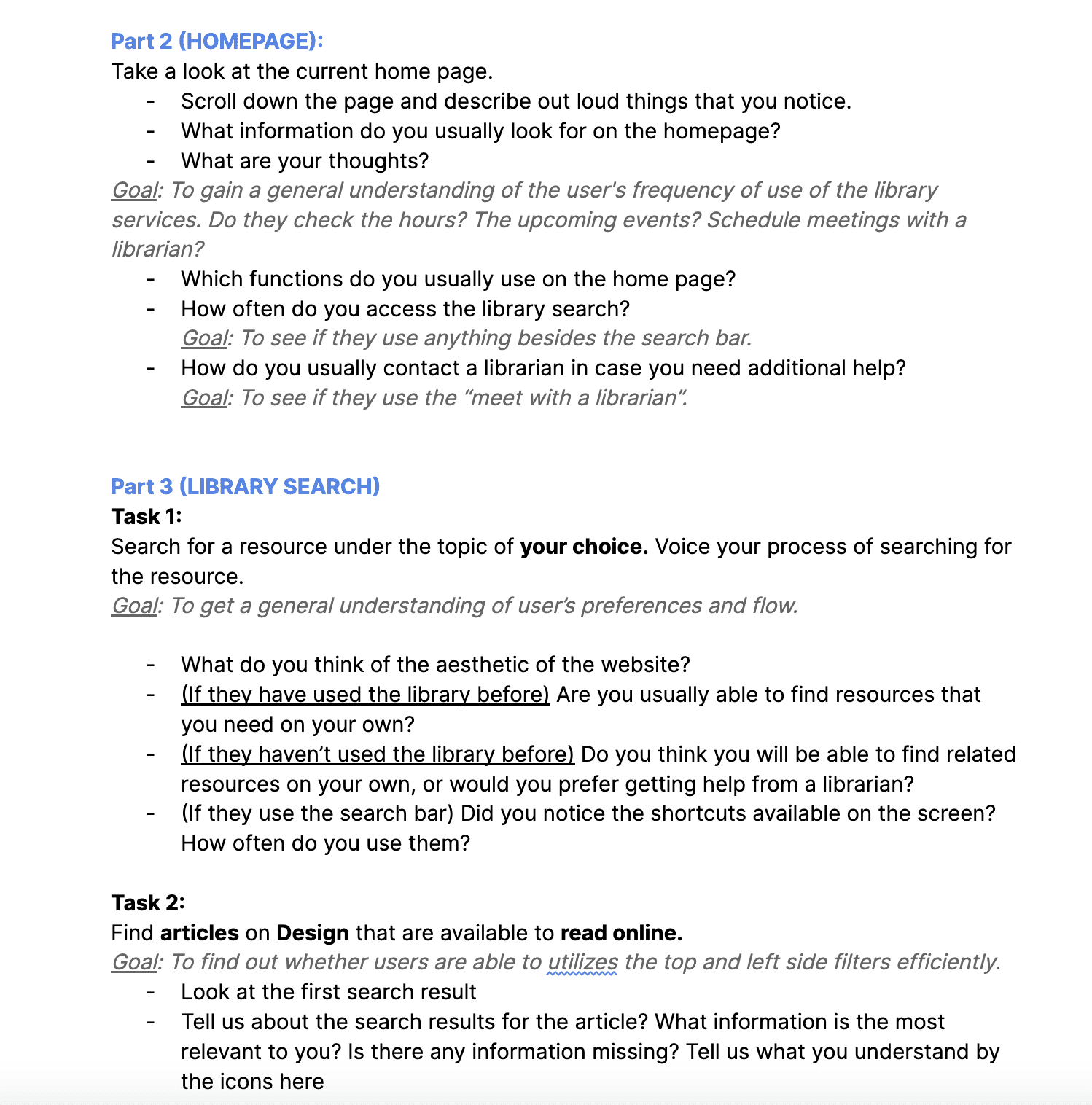
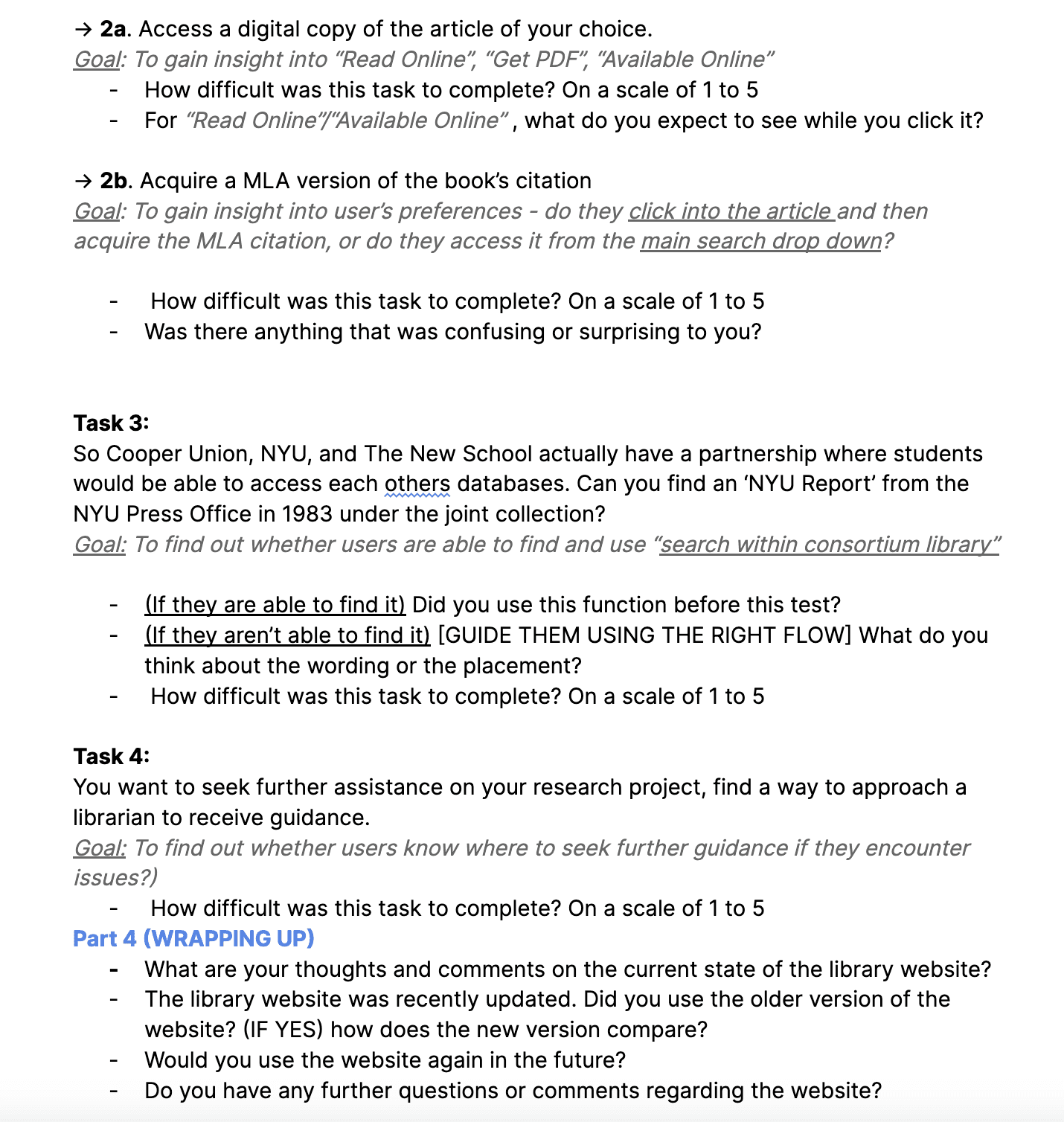
We carefully designed our testing script to ensure we evaluated all the features our clients asked us to test. Many of us asked follow-up questions throughout the sessions, which we documented in our transcripts.
Who we tested with
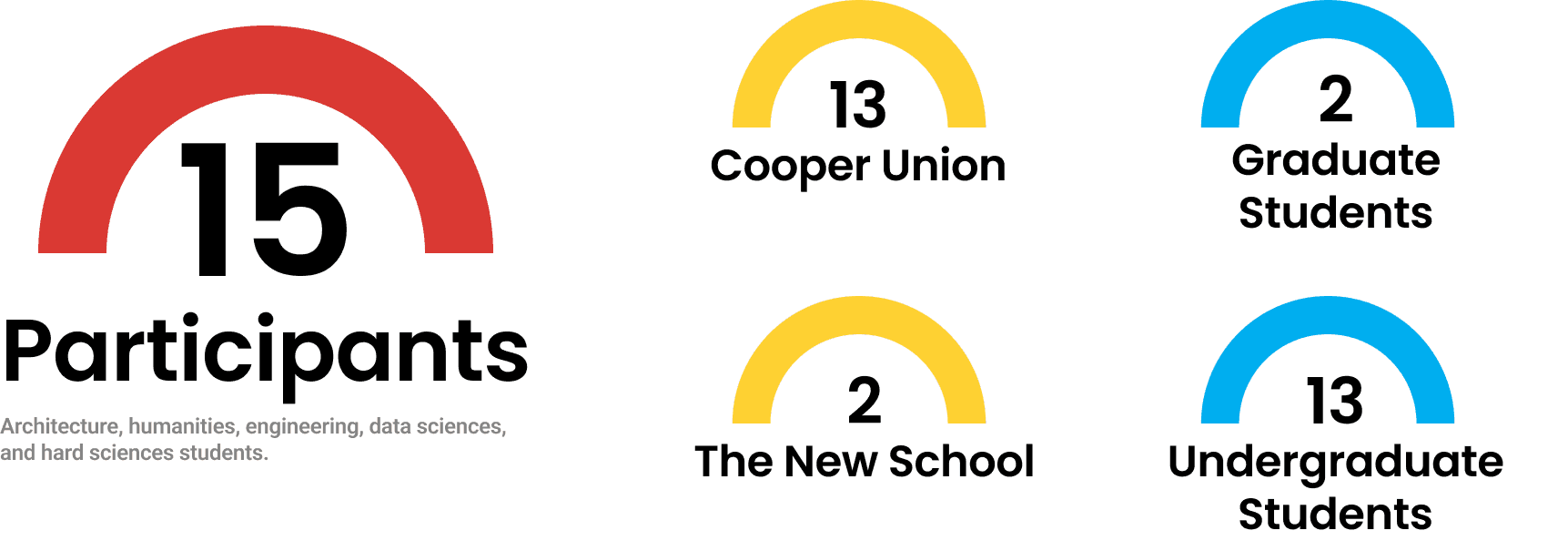
We interviewed 15 Cooper Union students across different programs. We also interviewed 2 students from The New School, since they're part of the consortium partnership and use the same library resources.
Usability Testing Results
What students told us about their struggles
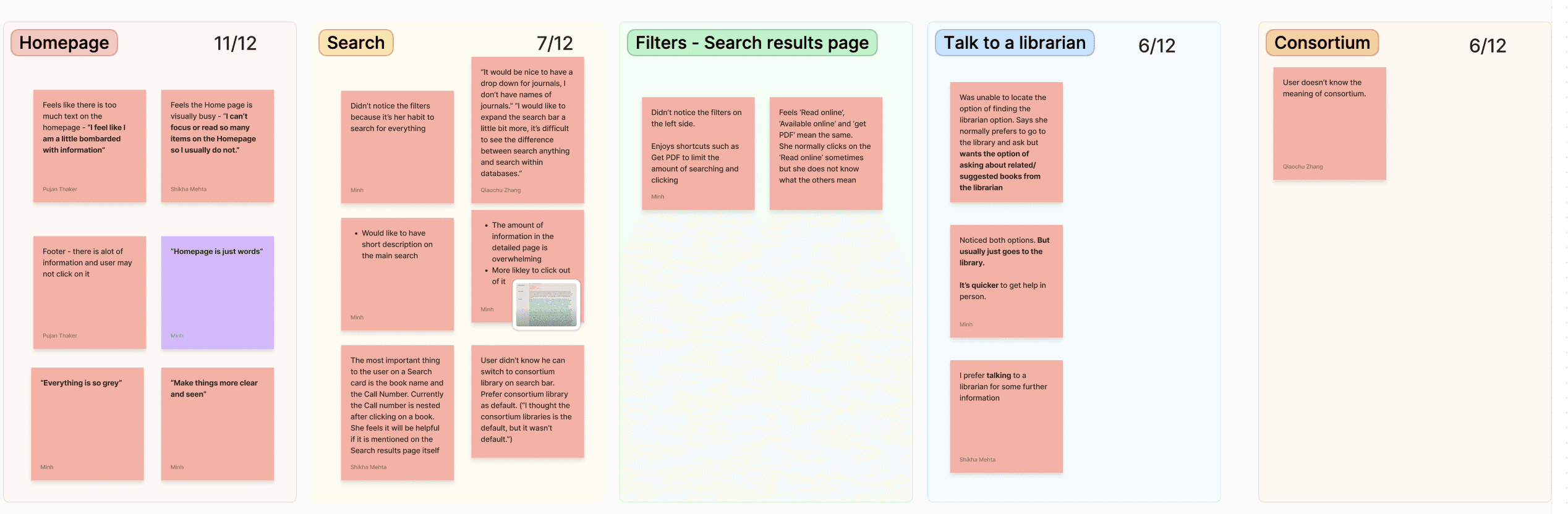
Below are the key insights and quotes from our usability testing.
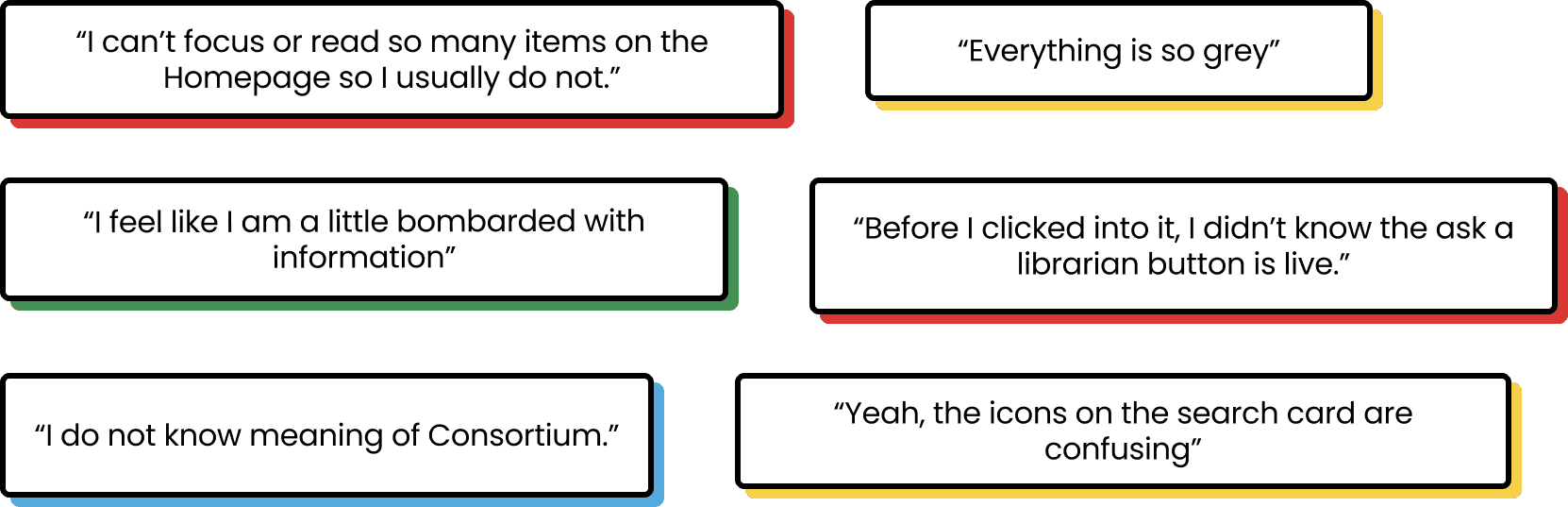
Focusing on three critical areas
Based on the insights from our usability study, we categorized findings and prioritized three areas to focus on:
Homepage
Search feature
Ask a Librarian
Icon Survey
Understanding what icons actually meant to students
To dig deeper into icon confusion, we created a 13-question icon survey and sent it to students alongside our usability tests. The survey asked students to identify what each icon meant.
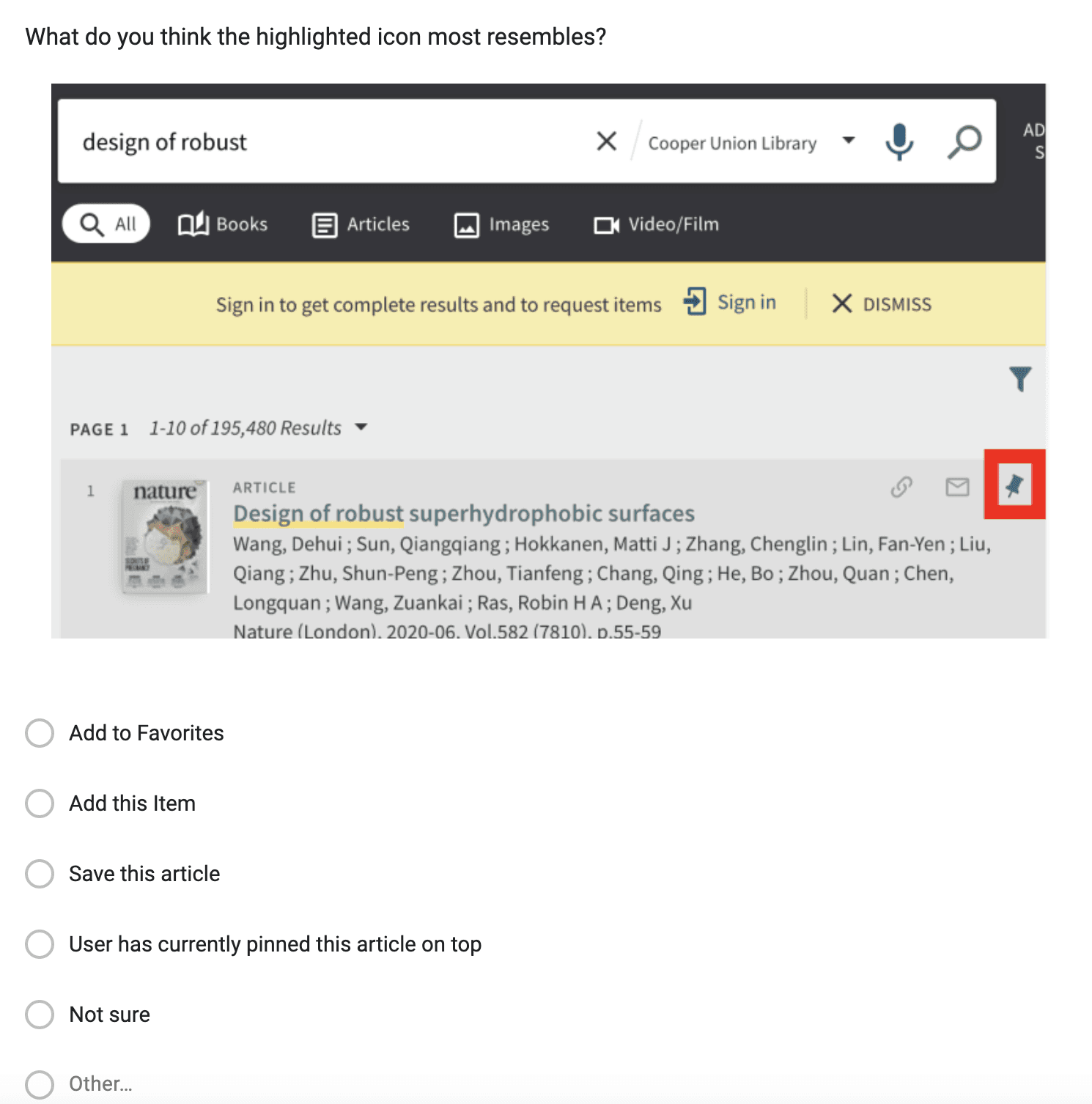
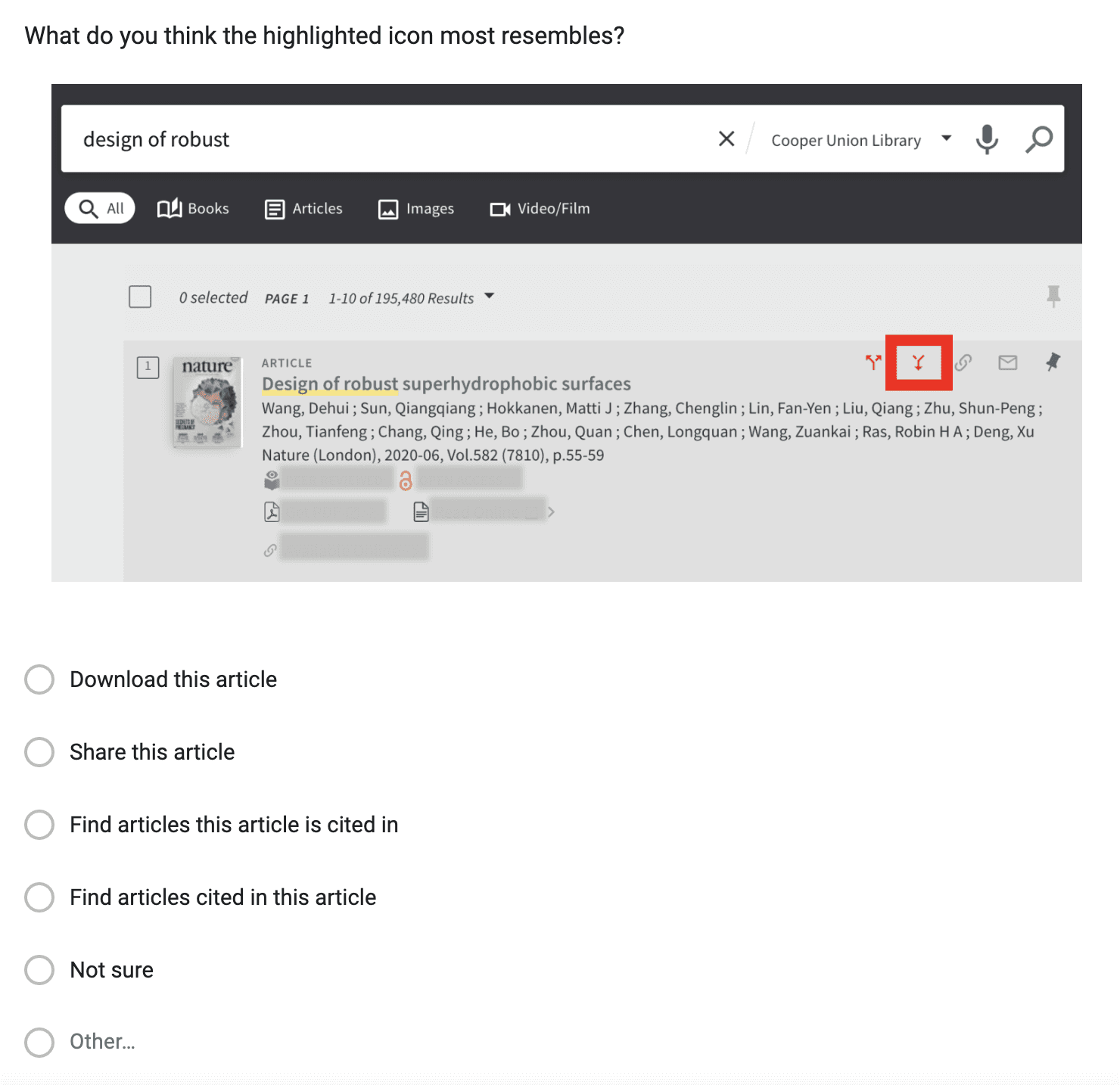
What the survey revealed about confusion
By analyzing the survey results, we identified which icons and wording on the search page caused the most confusion. This helped us redesign icons and clarify wording to reduce confusion and improve the search experience.
The data confirmed our observations
We quantitatively analyzed the survey data and found that certain icons caused universal confusion while others were mostly understood. This helped us prioritize which icons to redesign.
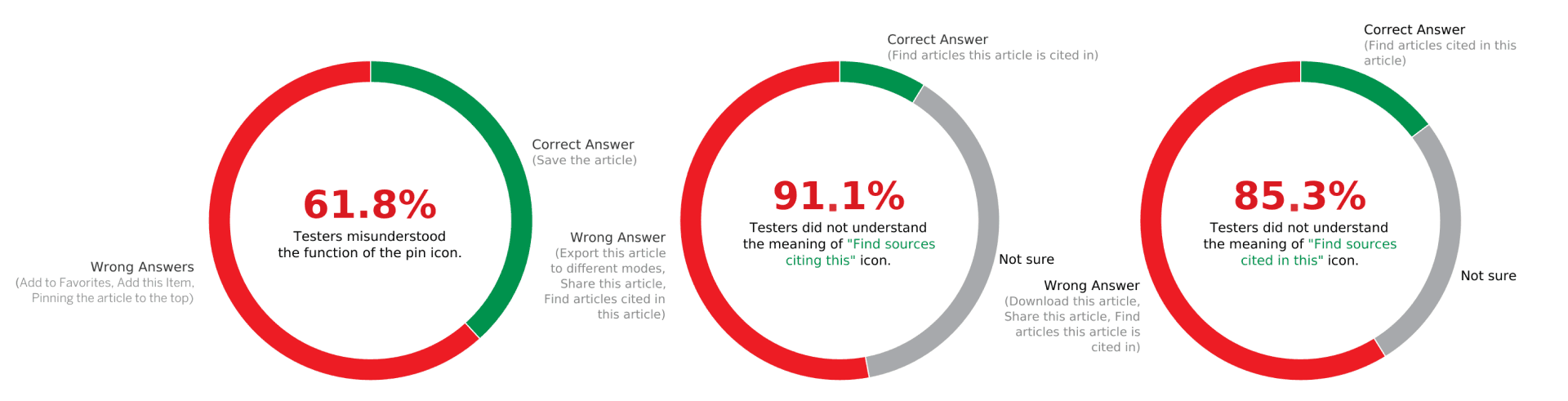
When we tested our redesigned icons with students, they remarked that the meaning was much clearer.
Competitive Analysis
Learning from other academic libraries
We conducted a competitive analysis to understand how other libraries designed their sites. We looked at institutions like NYU, Columbia, and The New School.
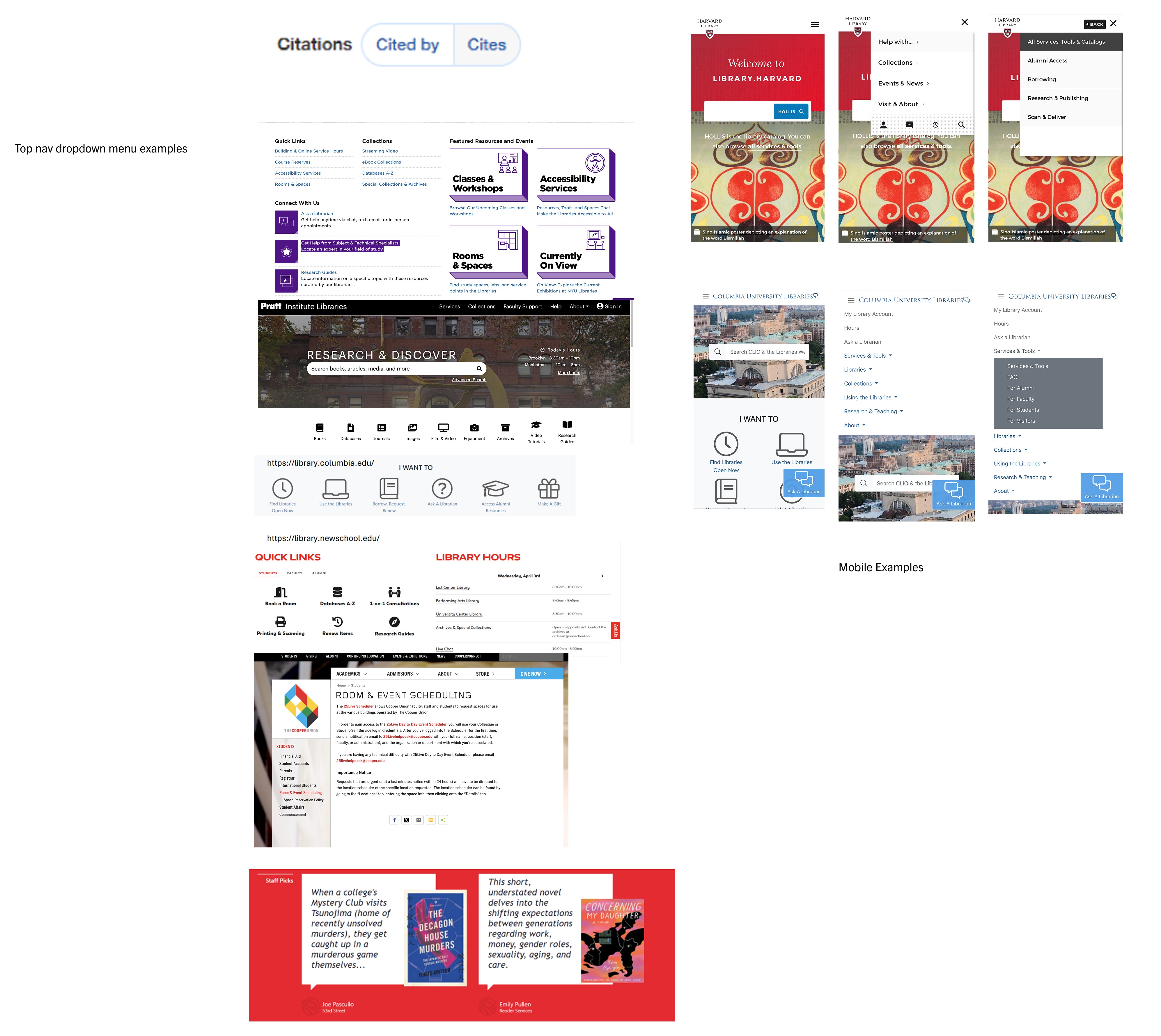
This analysis provided insight into how successful library sites use clear visual hierarchy and organize information. We drew inspiration and implemented unique features we discovered, such as splitting up resources by student standing (undergraduate vs. graduate).
Visual Design
Designing with continuous student feedback
Building on Cooper Union's visual identity
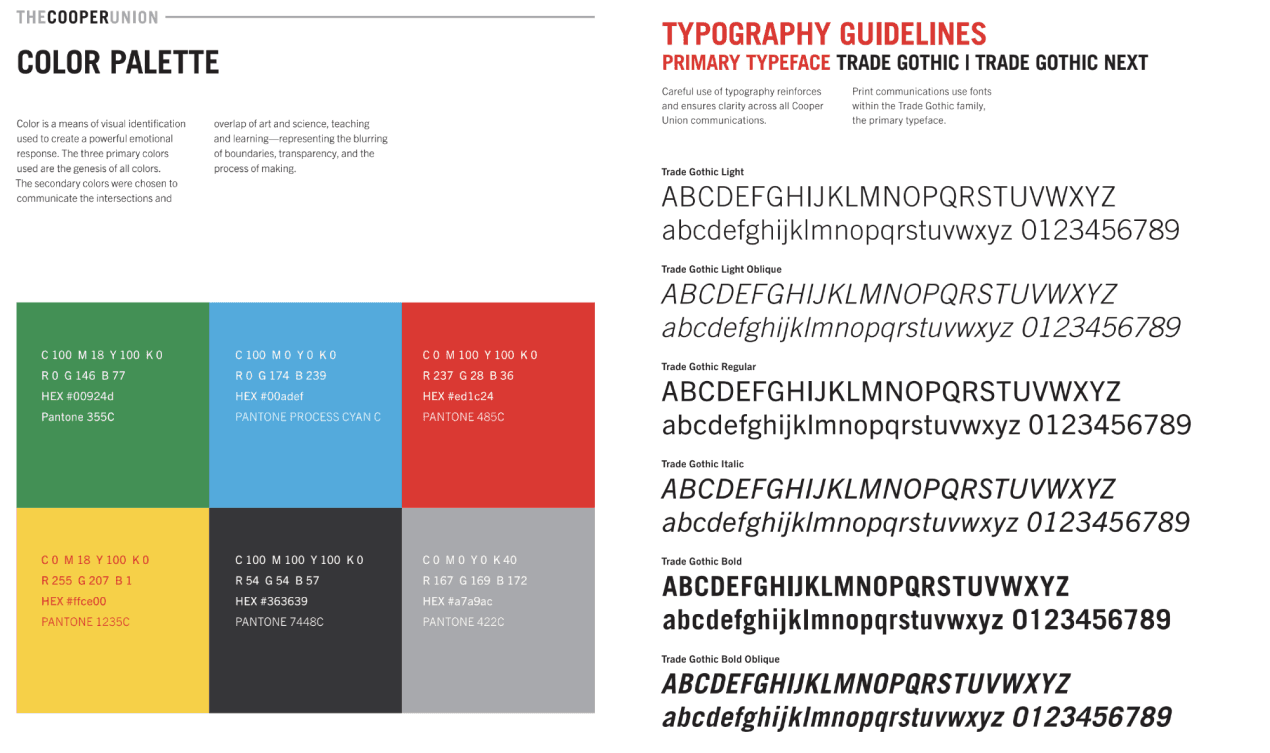
We created prototypes in Figma, following the visual style guide provided by our client to ensure the new library site felt authentically Cooper Union.
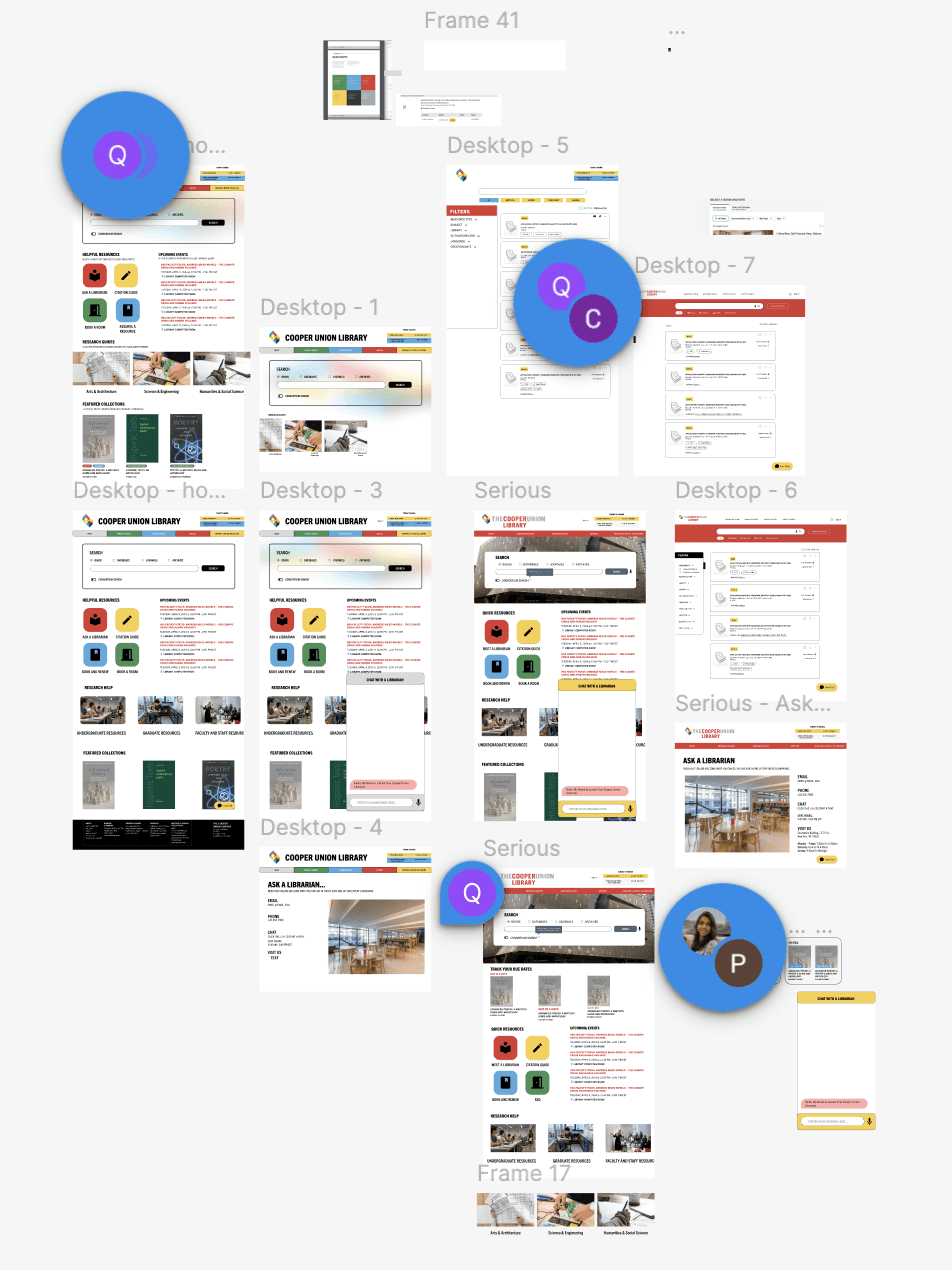
Iterating based on what students told us
We followed an iterative design cycle, continuously showing our prototypes to students and refining based on feedback. 100% of students who saw our designs loved the look and inclusion of colors. We went through multiple iterations before landing on our final design.
AI Chatbot Design & Rationale
Designing Coop, the friendly library AI chatbot
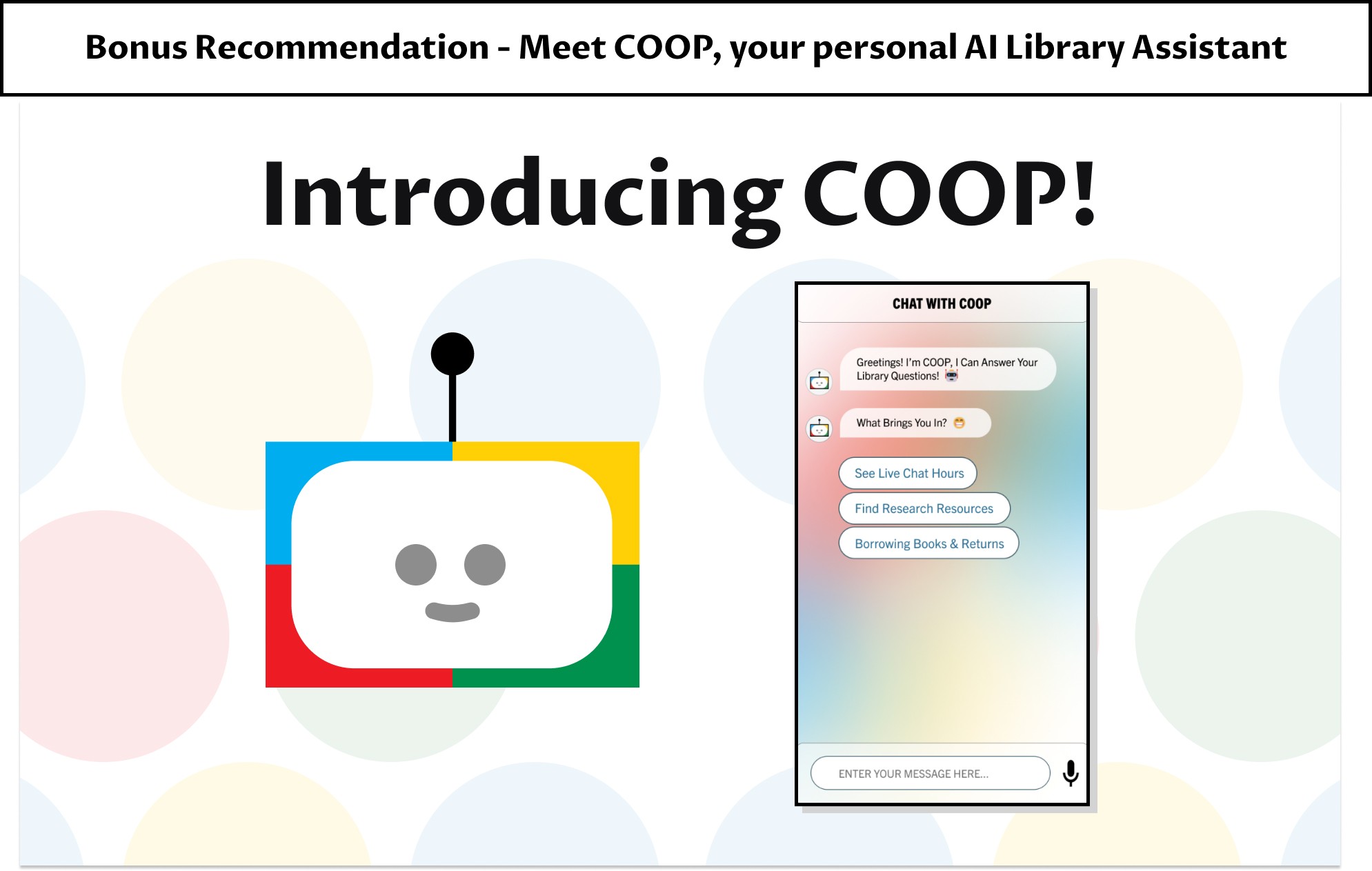
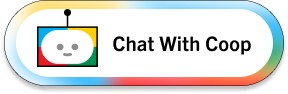
Beyond redesigning the website, we also created Coop, a cute AI chatbot character that makes asking for help feel approachable and fun instead of intimidating.
Why a friendly robot mattered
During our testing, we noticed students felt intimidated asking "basic" questions. They worried about bothering library staff with simple inquiries. A friendly AI chatbot removes that pressure while still providing immediate help. Students told us they felt more comfortable asking a cute robot about library hours or where to find a book than reaching out to staff directly.
Designing Coop's personality
We explored various visual directions for Coop, ultimately landing on a friendly, approachable robot character with Cooper Union's signature rainbow colors. Coop features:
Simple geometric shapes that feel playful, not corporate
Expressive eyes that make the character feel alive and welcoming
Cooper Union's vibrant color palette in the body design
A gradient background that creates a calm, inviting space for conversations
The robot metaphor works perfectly for a chatbot because students already expect automated responses, but Coop's friendly face and colorful design make the interaction feel warm rather than cold and mechanical.
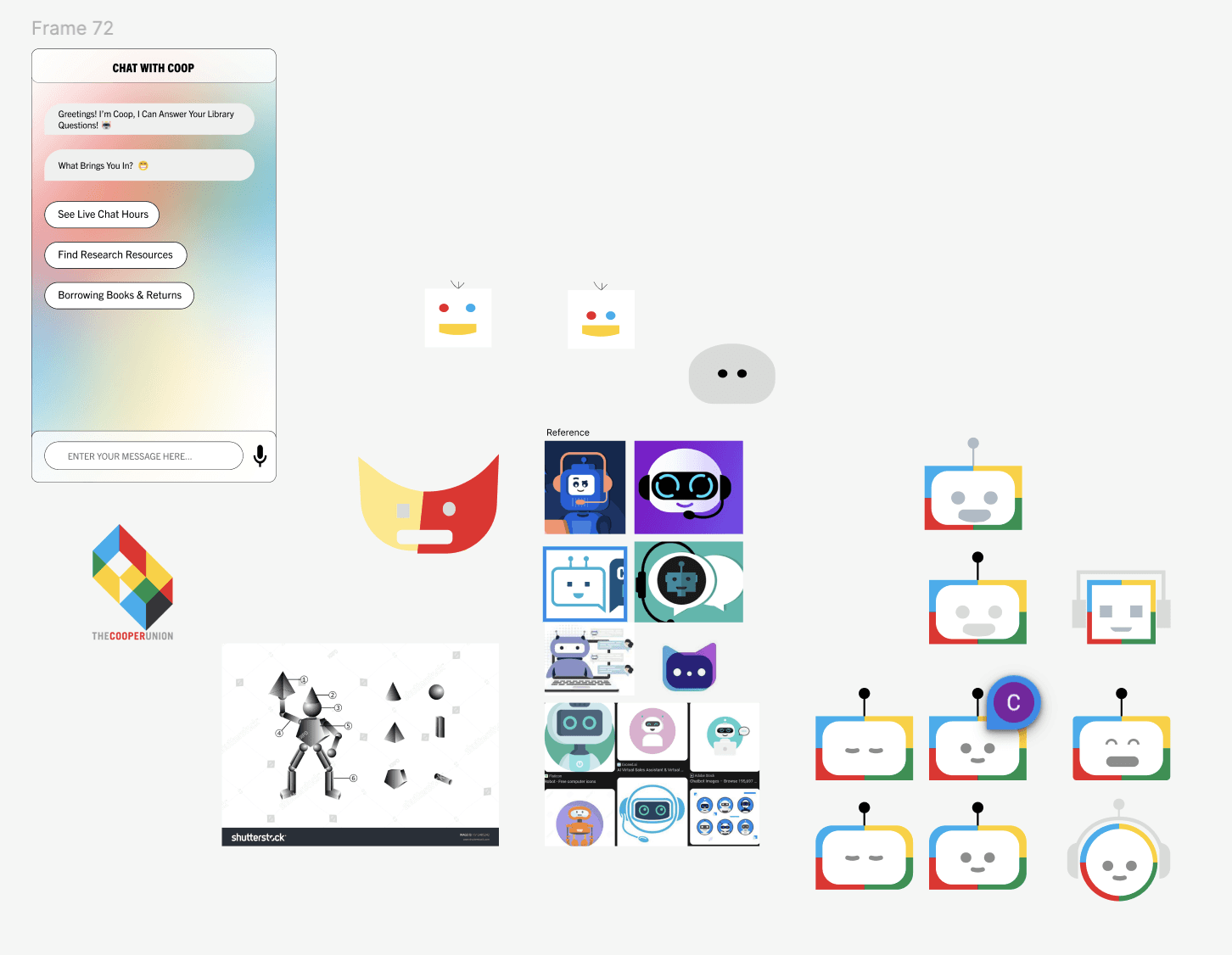
Key features we designed:
Quick action buttons for common tasks (See Live Chat Hours, Find Research Resources, Borrowing Books & Returns)
Text and voice input options for accessibility
Suggested prompts like "What Brings You In?" to help students get started
A conversational interface that feels natural, not transactional
When we showed Coop to students, they immediately responded to the friendly robot design. One student said: "Oh, this is so cute! I'd actually use this." The character transformed what was previously an ignored feature into something students were excited to interact with.

Client Presentation
Presenting our work to the library staff
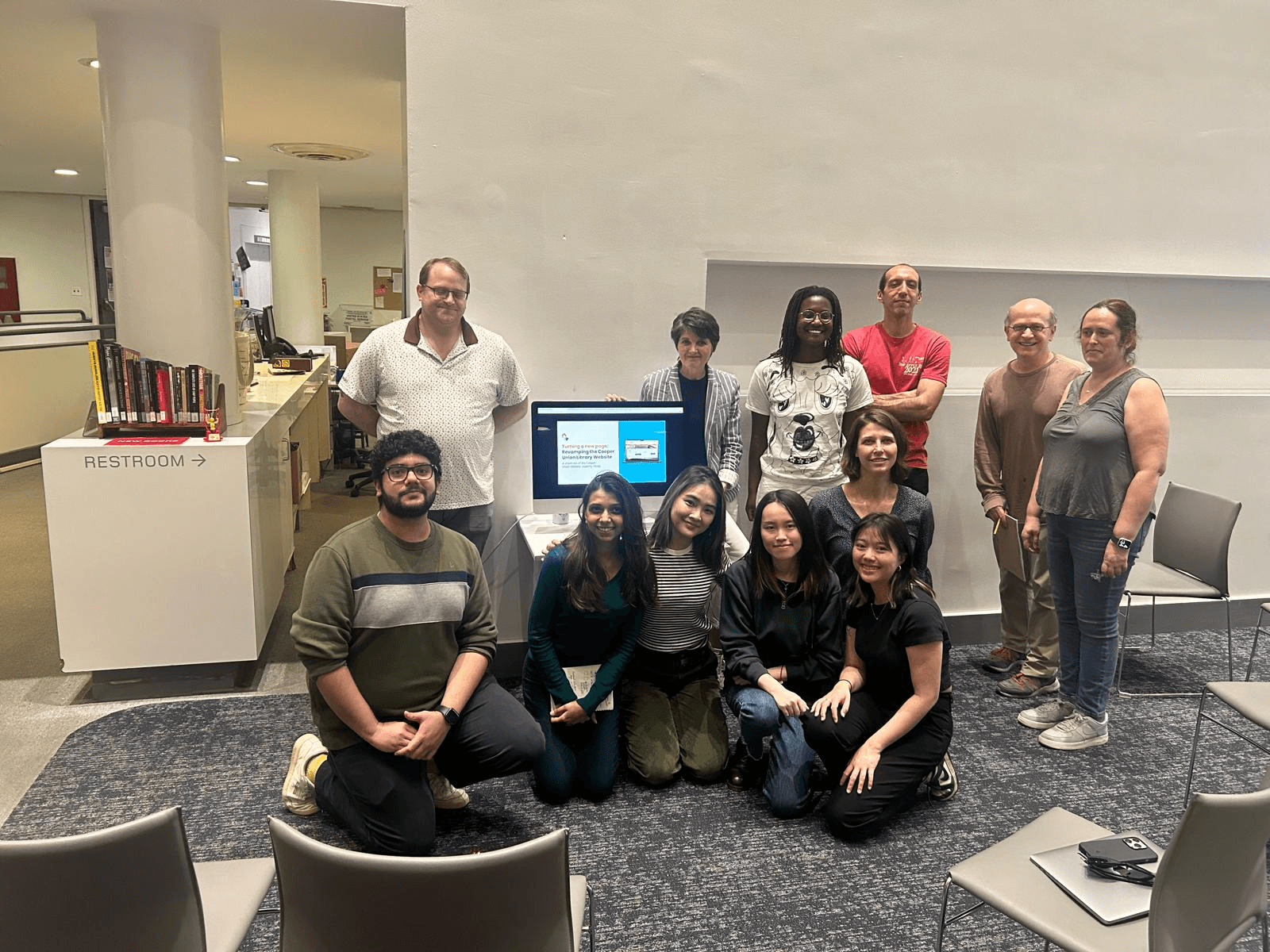
On April 29, 2024, we presented our research and prototypes to nine Cooper Union Library staff members. During our presentation, the staff were engaged and asked thoughtful questions about our findings and designs. Ultimately, they loved our designs and were impressed with our work.
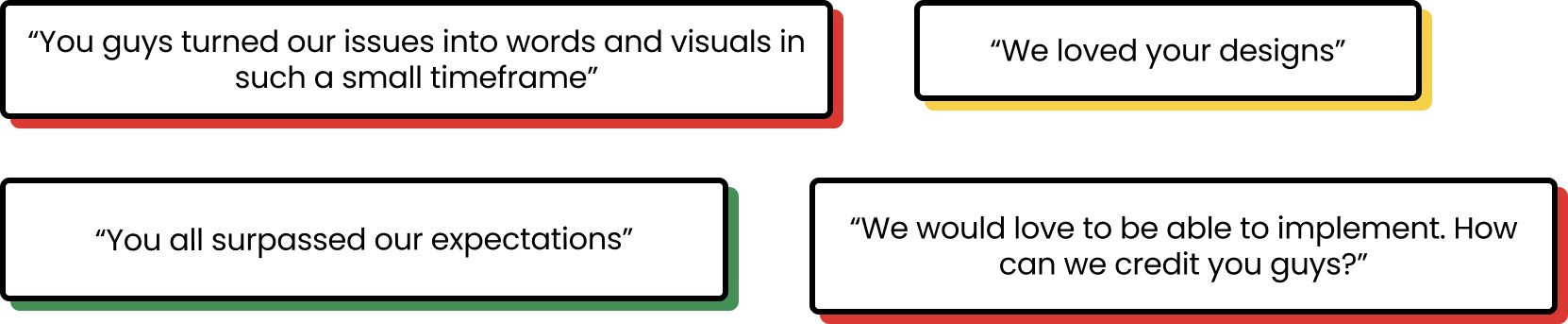
What the client said
Key Learning
What I learned from this project
Recruiting the right participants takes creativity When your target audience is busy college students, you can't just post a generic recruitment ad. We had to meet students where they already were and make participation as easy as possible.
Icon design is harder than it looks What seems obvious to a designer might be completely unclear to users. Our icon survey revealed just how differently people interpret symbols, which taught me to always test visual elements with real users.
Client relationships matter The library staff trusted us because we communicated clearly throughout the project, involved them in our process, and delivered work that directly addressed their concerns. This experience taught me how to balance user needs with stakeholder goals.