Wherever you go, there you are: Creating a reflective print narrative on running away
Role
Designer
Course
INFO697: Storytelling, Design, and Information
Skills
Narrative Design
Visual Storytelling
Print Design
Writing
Tools
Figma
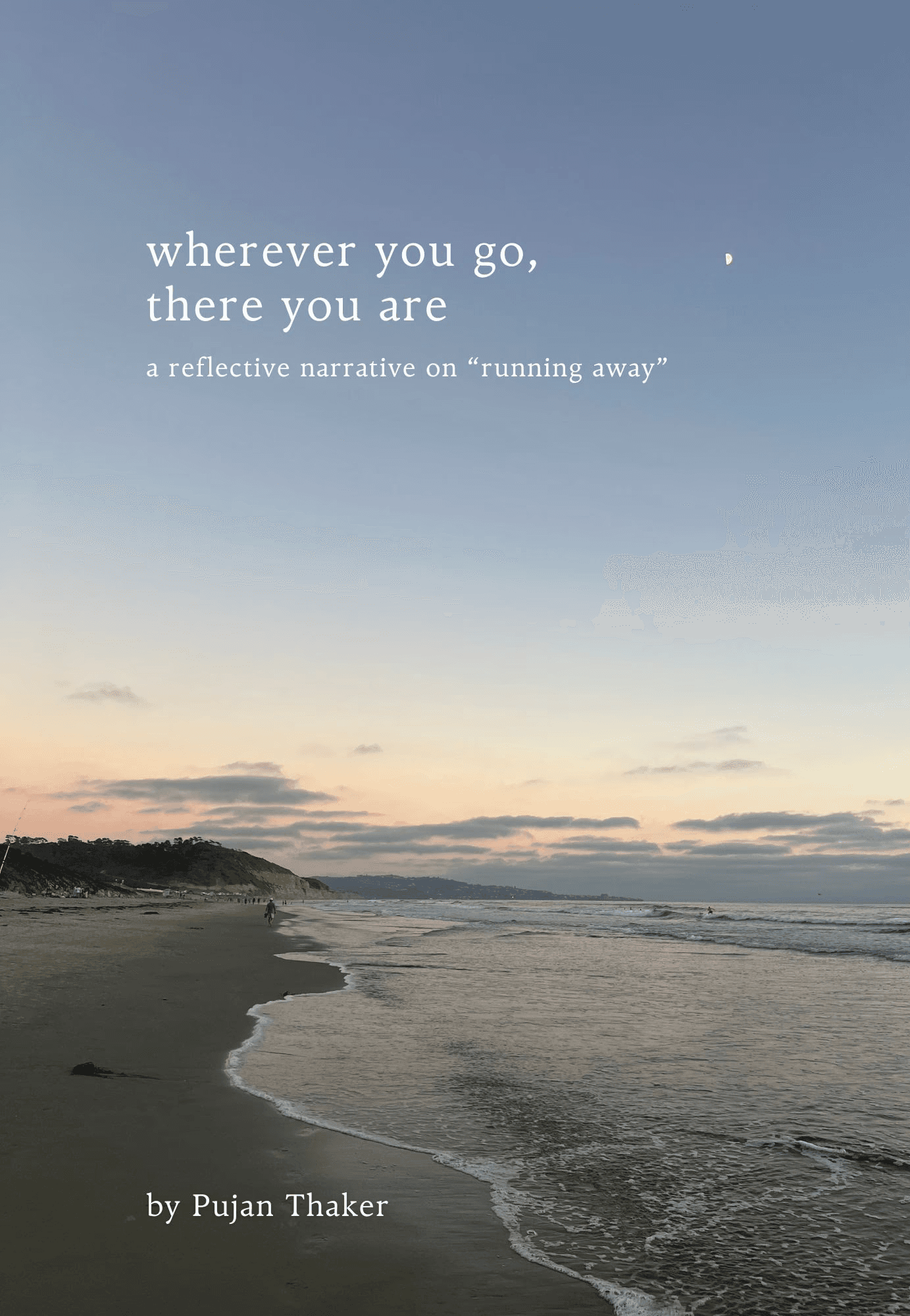
For the Print Narrative project in the INFO:697 - Storytelling, Design, and Information course, I designed a hybrid photobook and journal centered around the quote “Wherever you go, there you are”. The photobook contains a collection of short writings, poems, and personal pictures that all relate to the quote and its meaning.
This was one of the most creative, exciting, yet deeply personal projects I have created while at Pratt. It is also one that I am extremely proud of.
This case study outlines my process of creating the print narrative.
Prompt
The Prompt: Creating A Physical Narrative
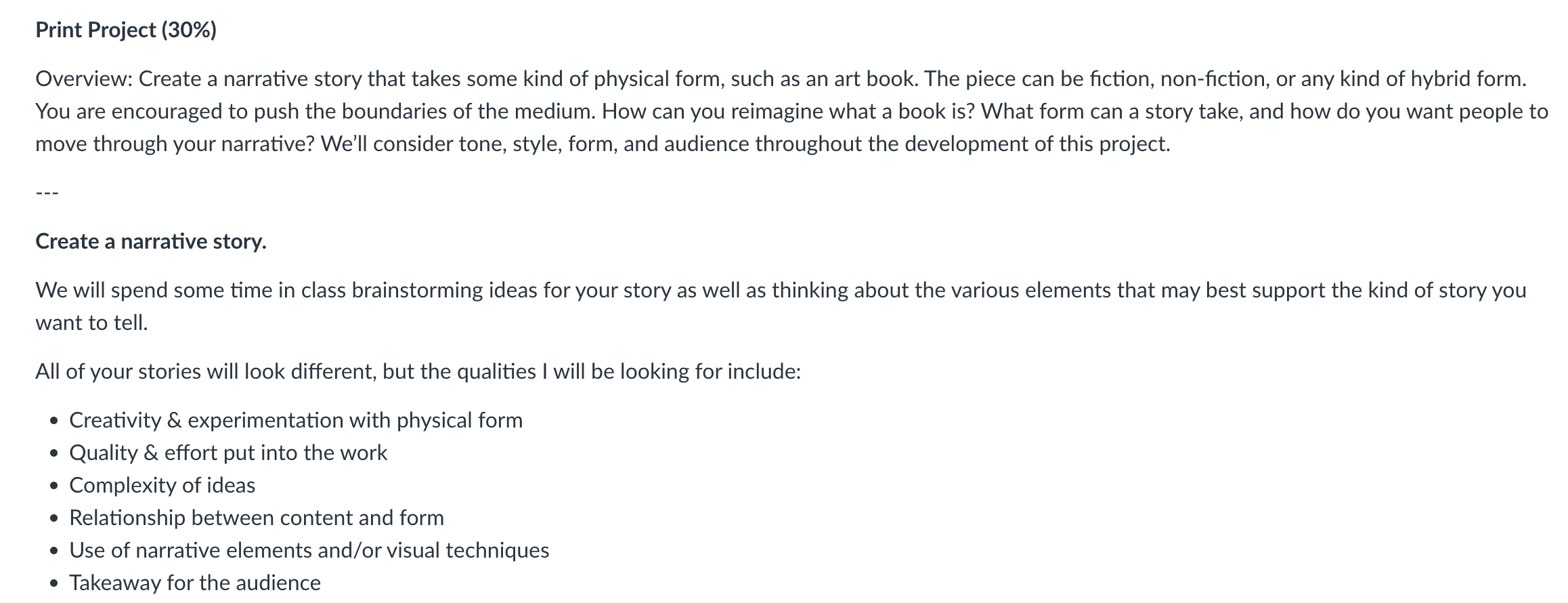
The assignment asked us to create a narrative story that takes a physical form. We were encouraged to experiment with what a “book” could be and to think critically about how form, content, and the audience’s experience work together. The story could be fiction, non-fiction, or a mix of both. The story needed to be intentional and consider how the audience moves through the piece mattered just as much as the story’s content.
I approached this project less as a traditional book and more as a personal artifact that not just represented my experience, but also inspired the audience to hold it, flip through it, pause, and reflect on the parts that they resonated with.
Ideation
Thinking about what I wanted to create
The initial idea - How to plan a party Zine
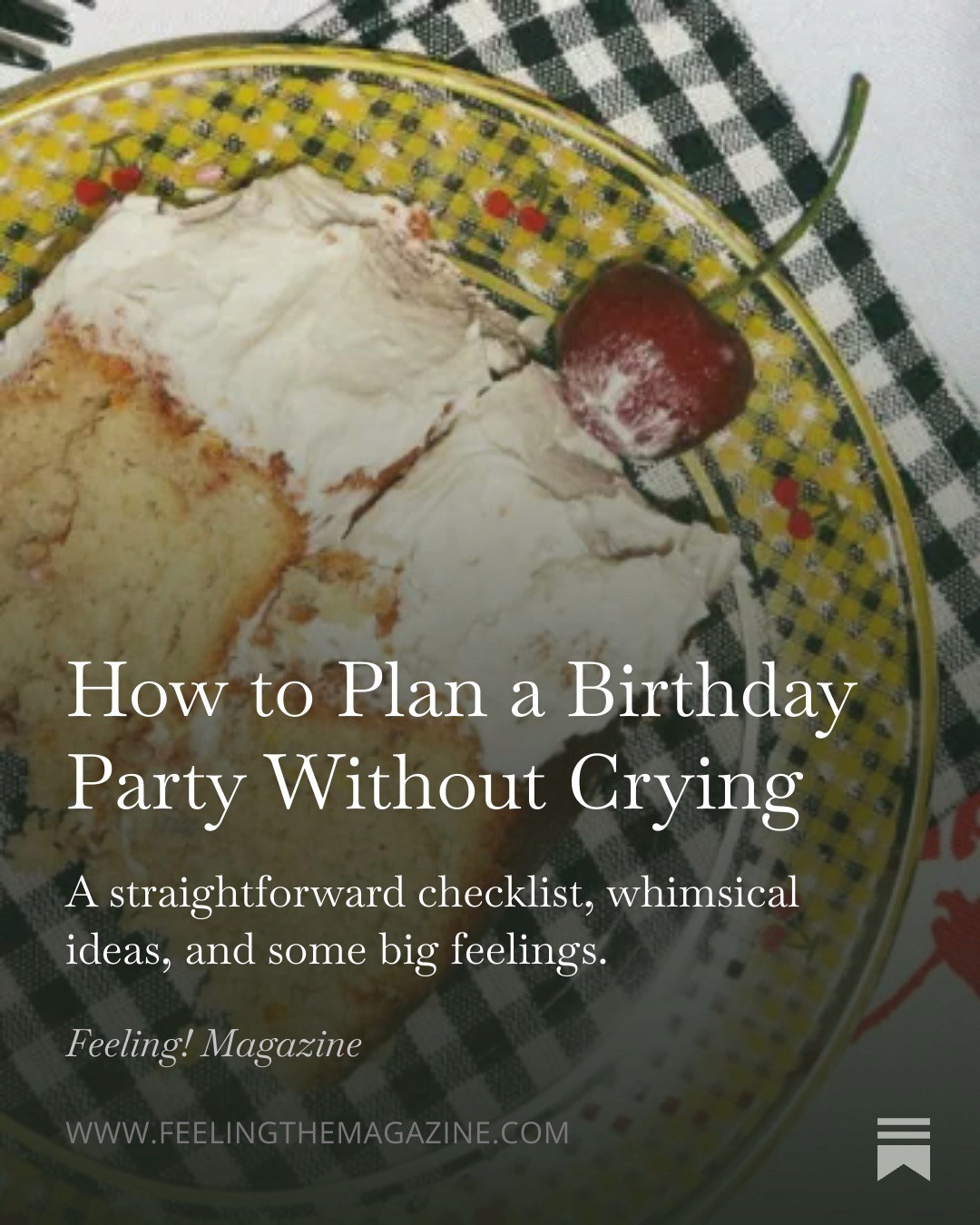
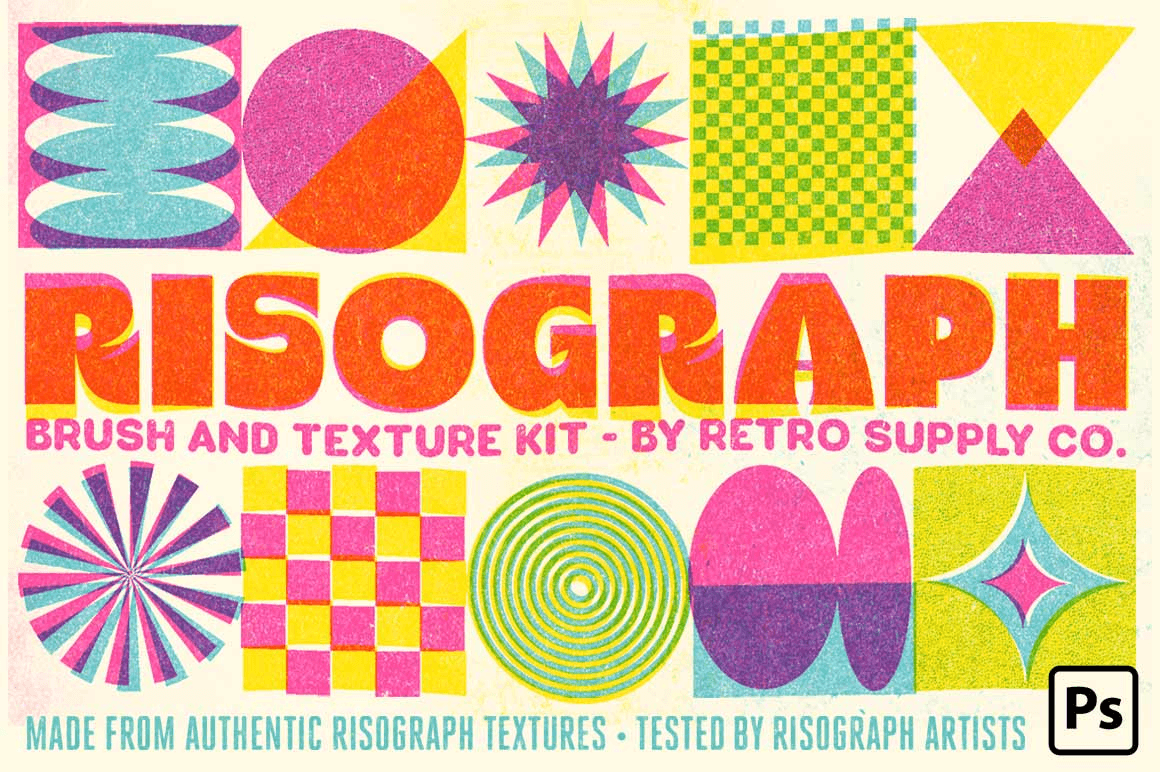
Initially, I was unsure what kind of genre/topic I wanted to create a physical narrative around. I also wasn’t sure if I wanted to do a book, a zine, or something more experimental. During class, we had the opportunity to look through a collection of zines from Pratt Library and learn more about them and explore the unique writing and design style in each zine, and their relationship to the content within the zine. From that session, I initially planned to create a zine that centered around how to plan a party. This was inspired by a substack article I had read titled “How to Plan a Birthday Party Without Crying” by Jenna O’Brien. I wanted to create this for a friend, who was venting to me once about how she did not want to celebrate her birthday because she did not know how to plan a party. I also feel like planning a party is a dying art and alot of younger people (myself included) dont’t know how to plan a proper party. I started to think about the kind of zine I’d design and how it would be printed (risograph).
Pivoting towards a more personal narrative
After some reflection, I decided that I wanted to get more personal for the physical narrative assignment. I wanted my piece to also function as a keepsake that I could use to tell my story and potentially hold onto for the rest of my life. I wanted to incorporate my emotions and feelings into the piece so it could be a real reflection of me. I started my initial ideation by doing some “research,” aka reading through my journals, short notes I’d written on my phone, rereading texts I sent, listening to voice notes I’d captured, looking through the pictures I’d taken, and reading quotes I’d saved. I kept returning to the phrase “Wherever you go, there you are” and what it meant to me over time. I realized that much of my life since turning 18 had been defined by motion: moving to different cities (and even a different country), chasing opportunities, and convincing myself that the next place would be the one where things finally clicked.
During brainstorming, I explored a few different directions:
A short of how to move from one place to another
A photobook of photo’s I’d taken while traveling
A photobook on different rituals I had in all the places I’d move to (i.e. finding “my” coffeeshop in every city, trying out the croisstants in every city, going to the local park everyday before dinner to get fresh air, etc)
None of these felt honest enough to me. They didn’t feel like a true representation of the story I wanted to tell. The story I wanted to tell wasn’t about moving around, it was about repetition, avoidance, and my outlook on life. That was when the idea of of a hybrid photobook and journal emerged.
Concept
My final concept: A photobook that's also a reflective journal
My final concept was a reflective, non-fiction photobook and journal. The book documents the major cities and milestones of my life since leaving my hometown at 18. The content is presented in chronological order, starting from my hometown of Jersey City and ending with my most recent move to San Diego for an internship.
Each location represents a moment where I believed a change in place could solve an internal problem. The core idea is simple but uncomfortable: I kept changing my surroundings, but I never escaped myself.
My narrative leans into repetition intentionally. By going city after city, I want the reader to encounter the same emotions, such as hope, excitement, disillusionment, and anxiety, just as I did throughout my journey. The goal is for a pattern to be established that cannot be ignored. The form reinforces the message: the story moves forward, but the feeling stays the same.
Process
My process was deeply personal and intentionally messy.
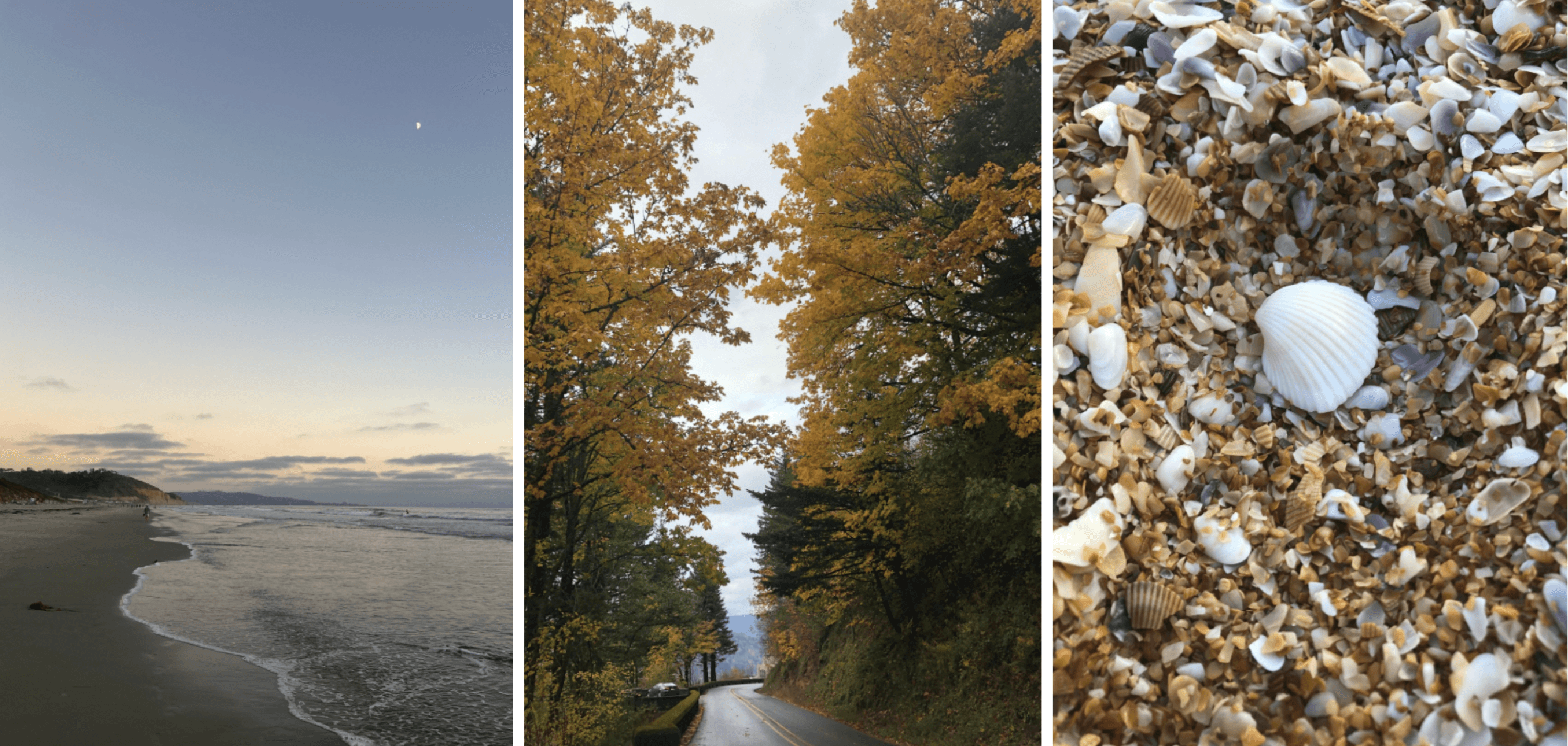
I began by going through my camera roll and picking out photos I had taken in each city. These were images of things like beaches, skylines, fall foliage, a university clock tower, snowcapped mountains, and sunsets on a moving train. These images were meant to be beautiful and picturesque. These images were intentionally selected to represent happiness or external beauty
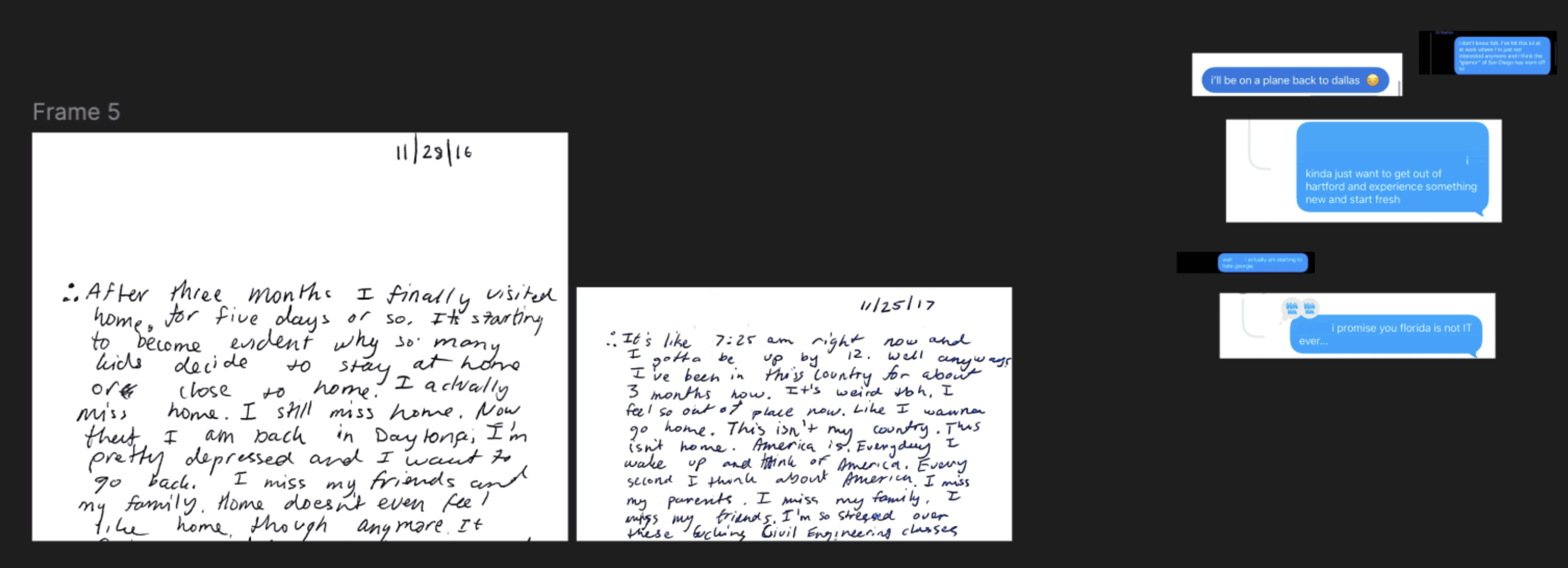
I then paired the images with my journal entries, texts, or notes I’d written during that time or retroactively, reflecting how I actually felt.
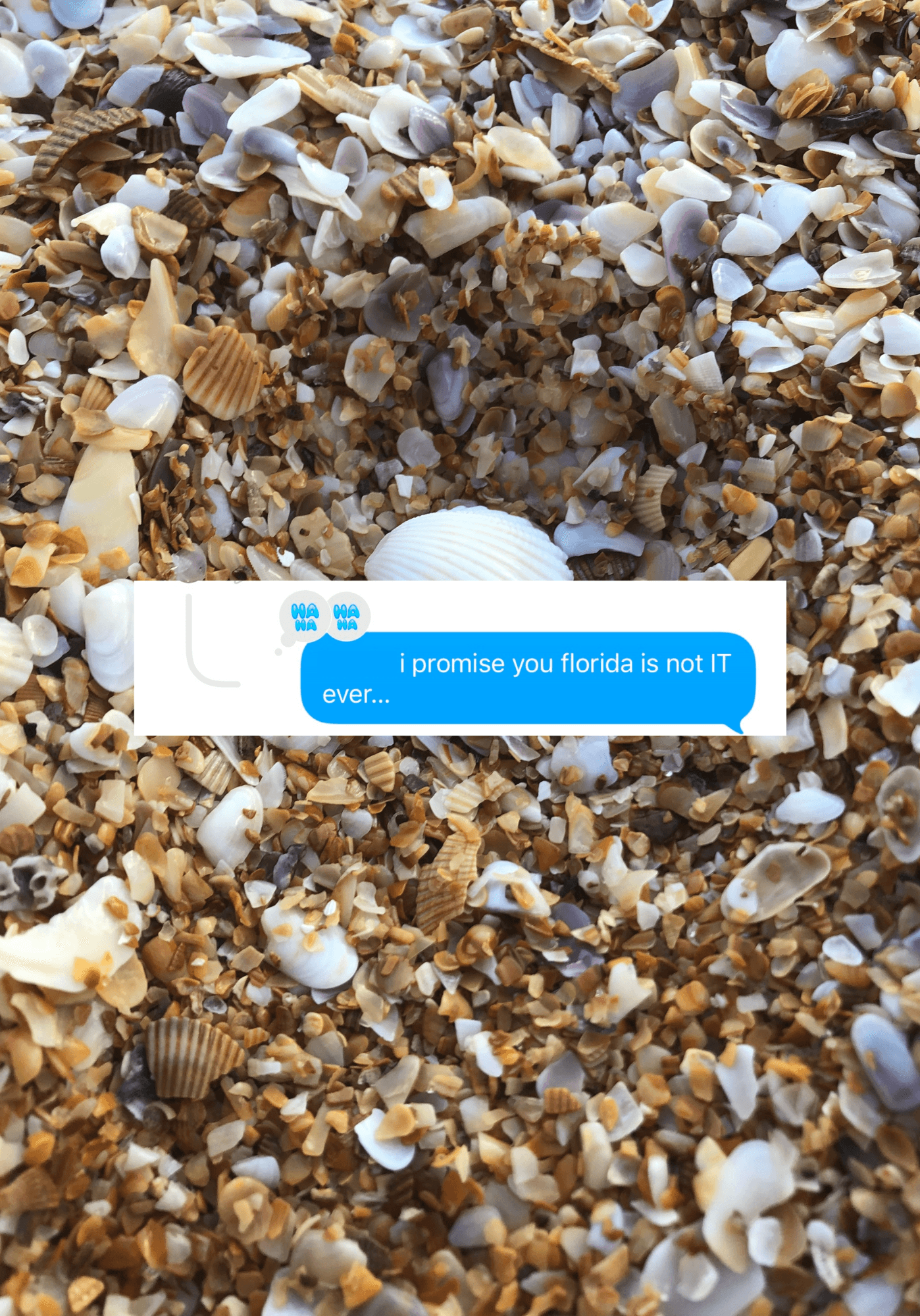
I layered the texts directly onto the images to create a sort of tension. The visuals suggest freedom, movement, beauty, happiness, and possibility, while the writing reveals feelings of anxiety, sadness, stress, dissatisfaction, and/or self-doubt. This juxtaposition became a key visual metaphor: even in places that looked like answers, I was still struggling.
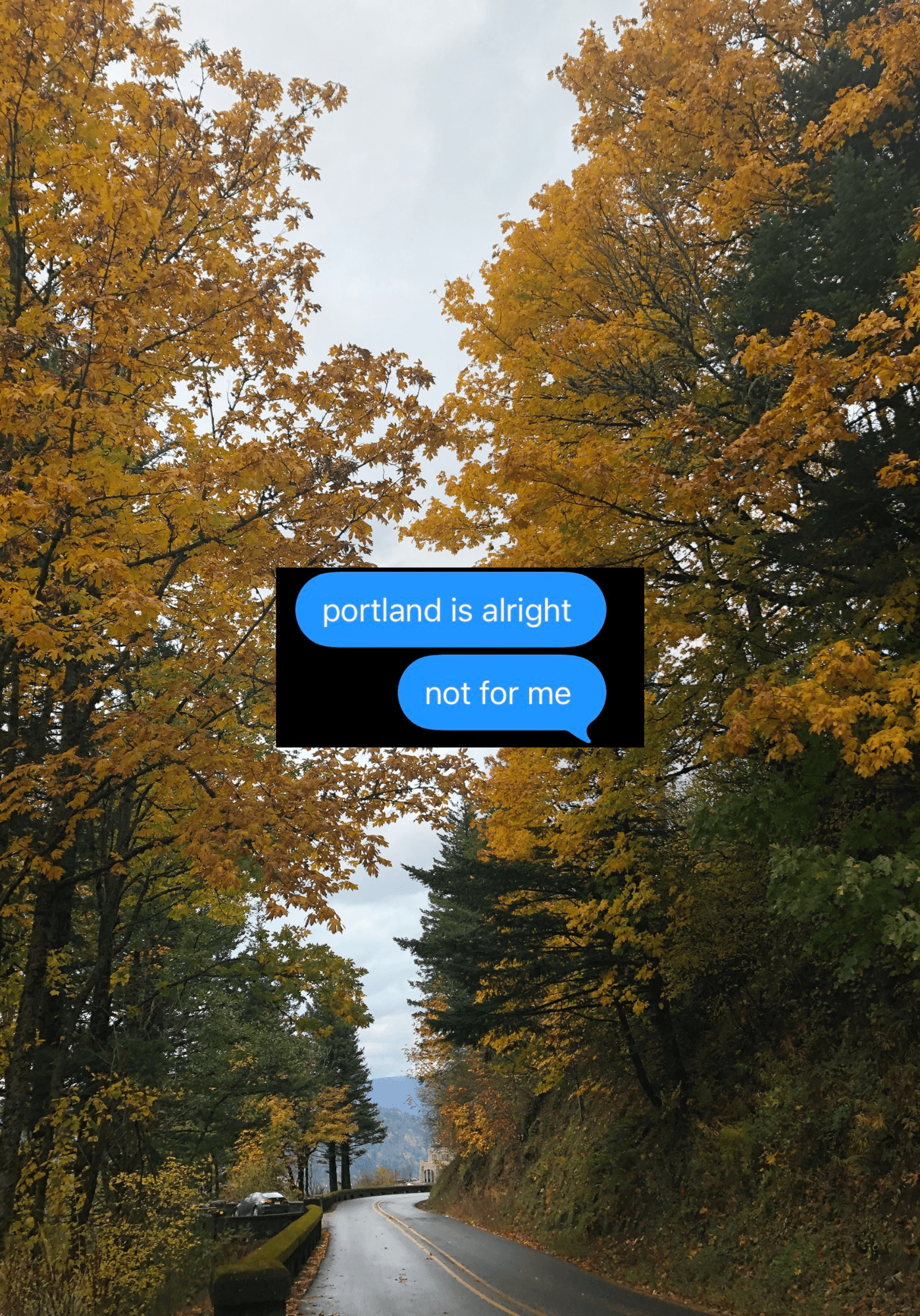
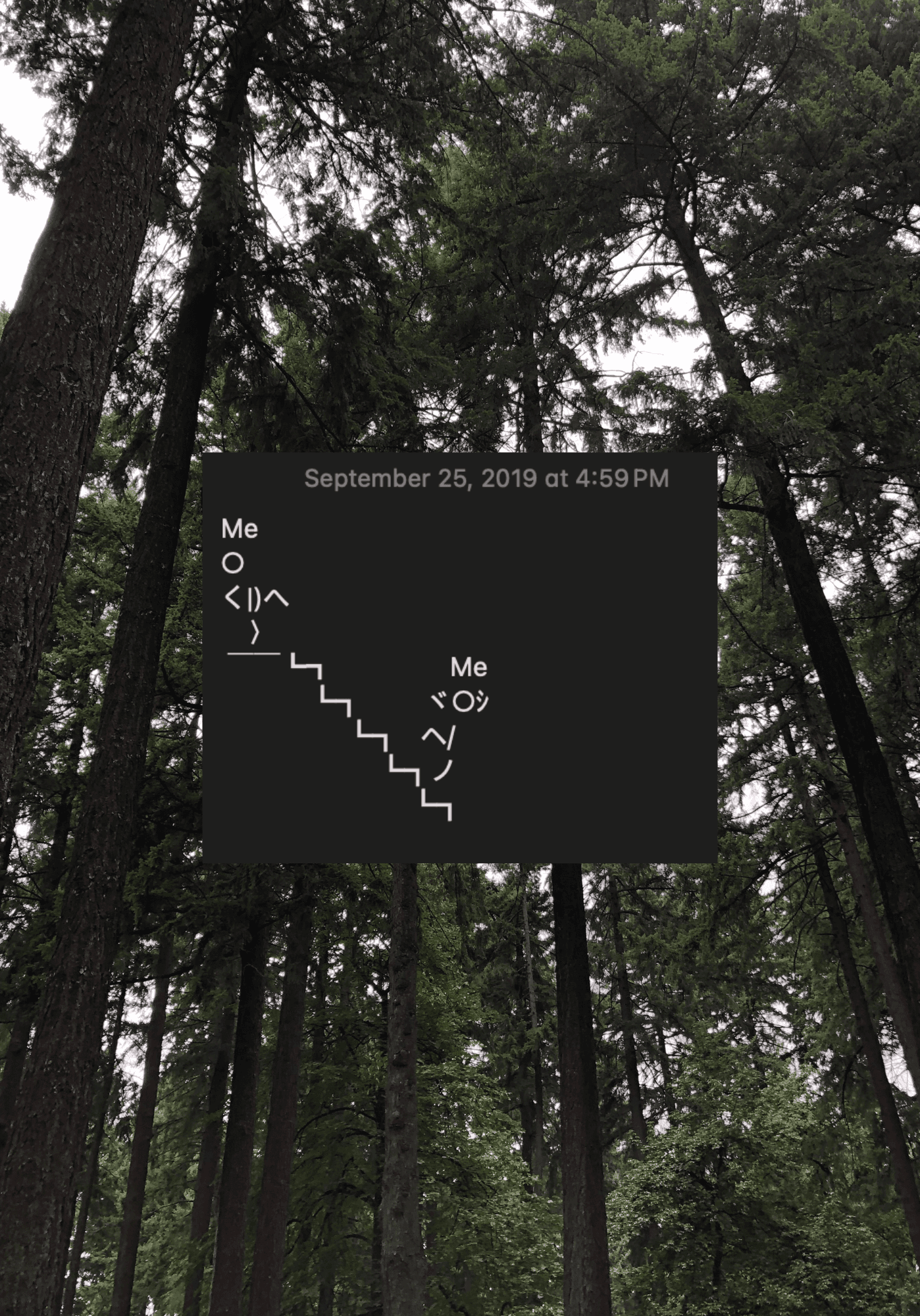
To break the rhythm and give the reader some space to reflect, I included elements like:
Short poems
Quotes
Short reflective writing pieces
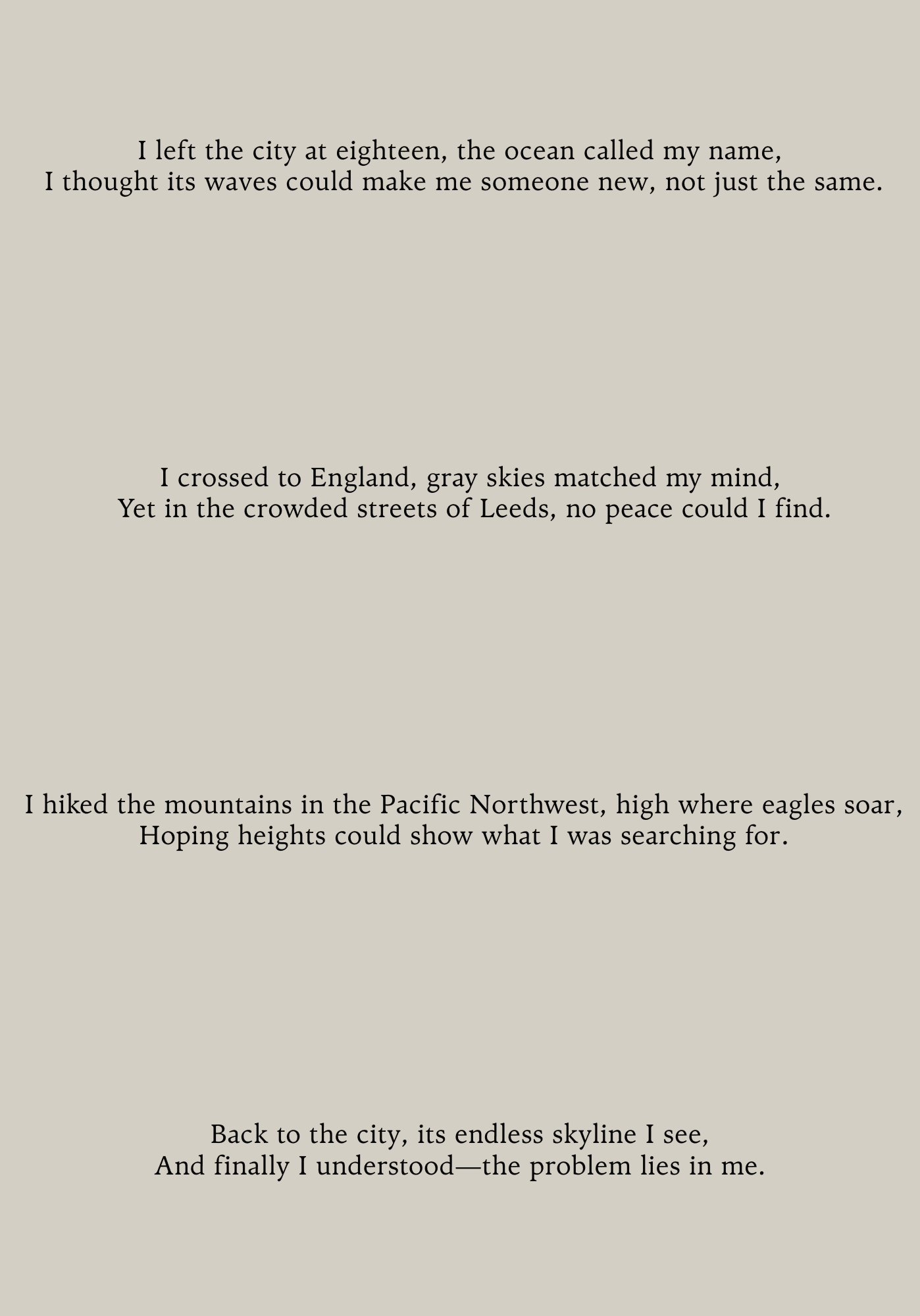
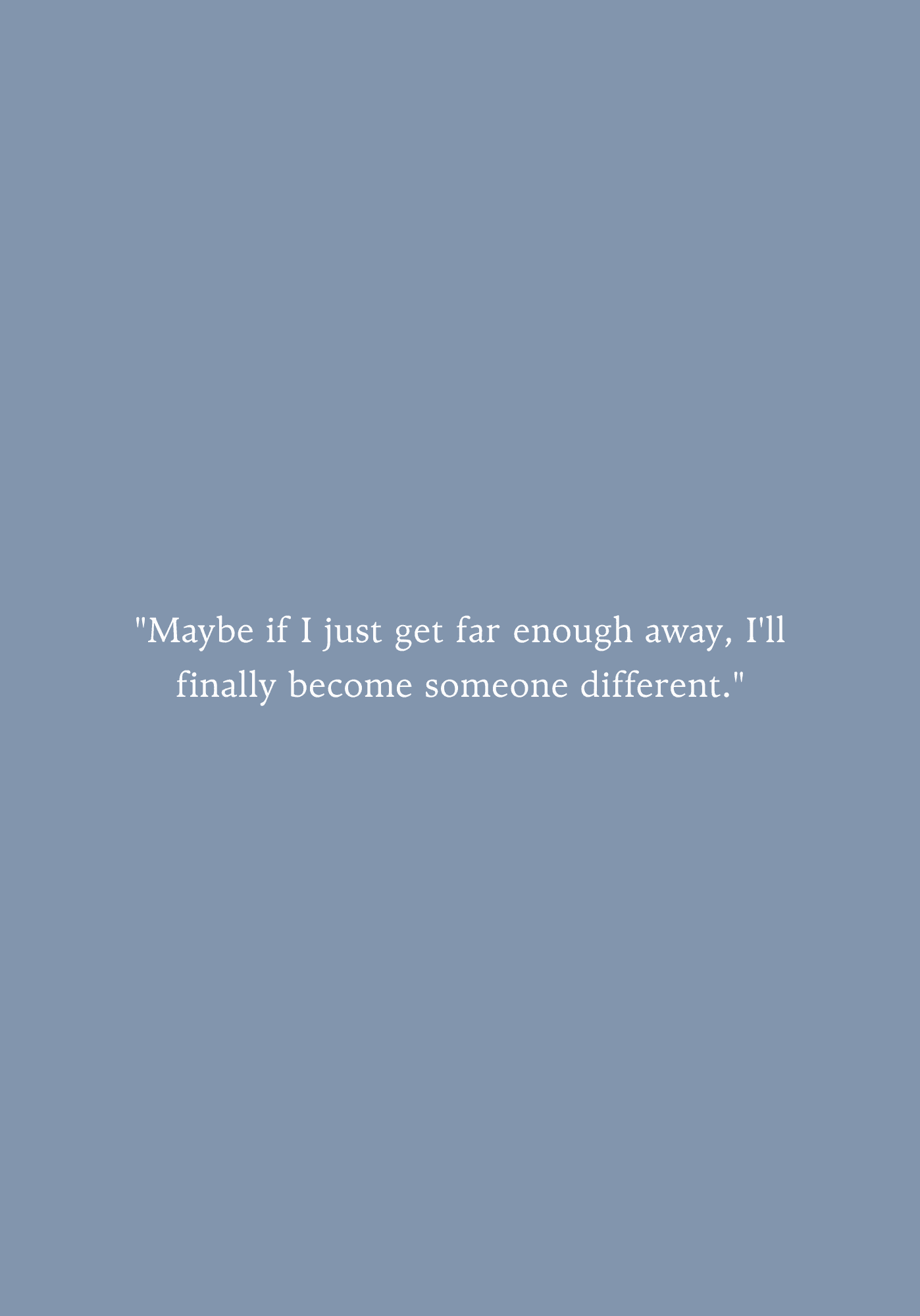
These pauses are intentional. I wanted the reader to have room to project their own experiences onto the story, not just consume mine.
I also created a map that represented a geography of running away. This was a map I created in Google Maps that tracked my movement, either for travel, moving for work or school, and captures my thoughts and feelings during each of my stays.
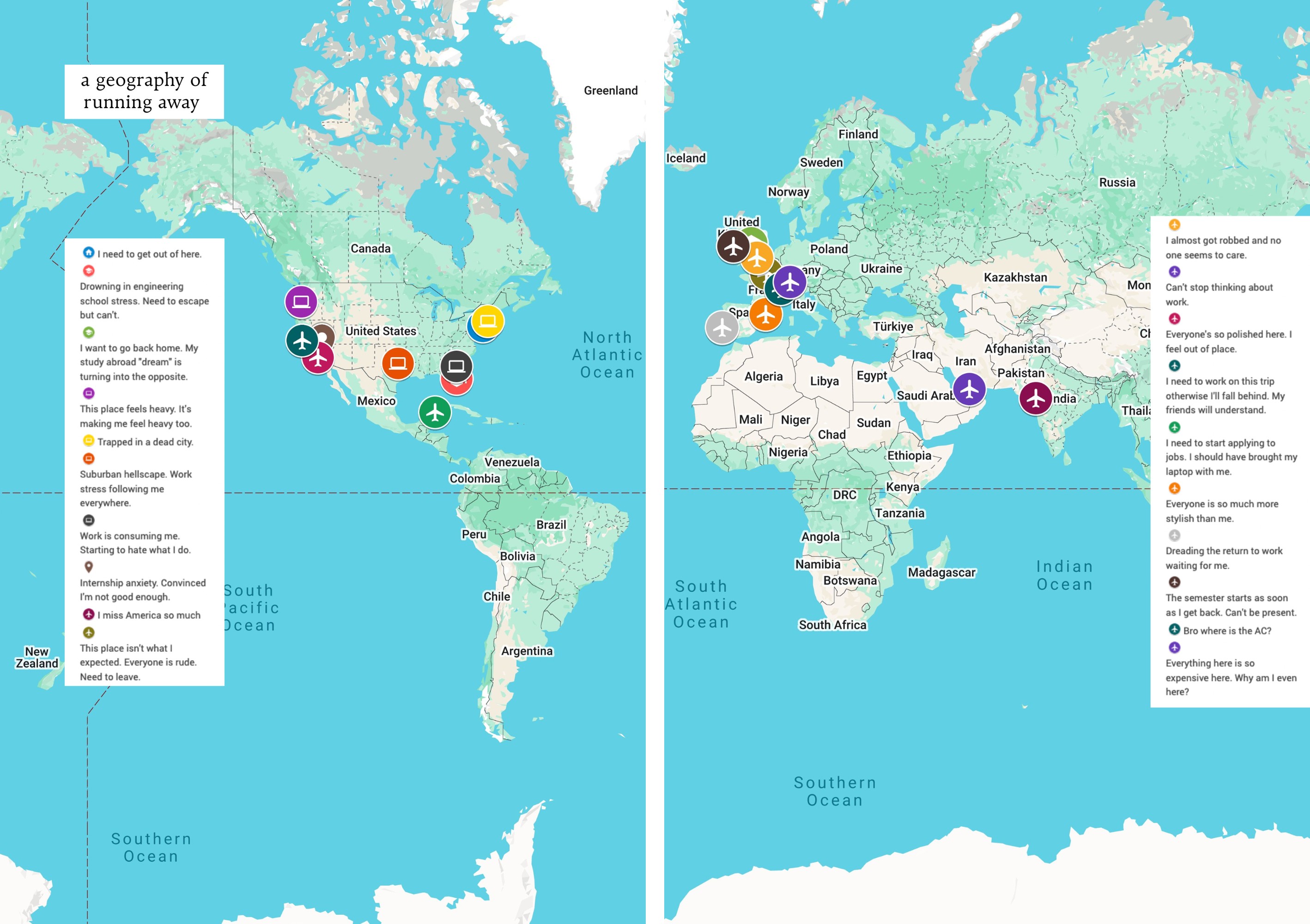
Creating this map was a perfect visual representation of the “Wherever you go, there you are”.
Printing
Because this was a physical narrative, printing choices mattered
I experimented with layout, pacing, and sequencing to ensure the story unfolded naturally as pages were turned. The chronological structure helps anchor the reader, but the emotional repetition creates a sense of looping, which helps create a feeling of running in circles.
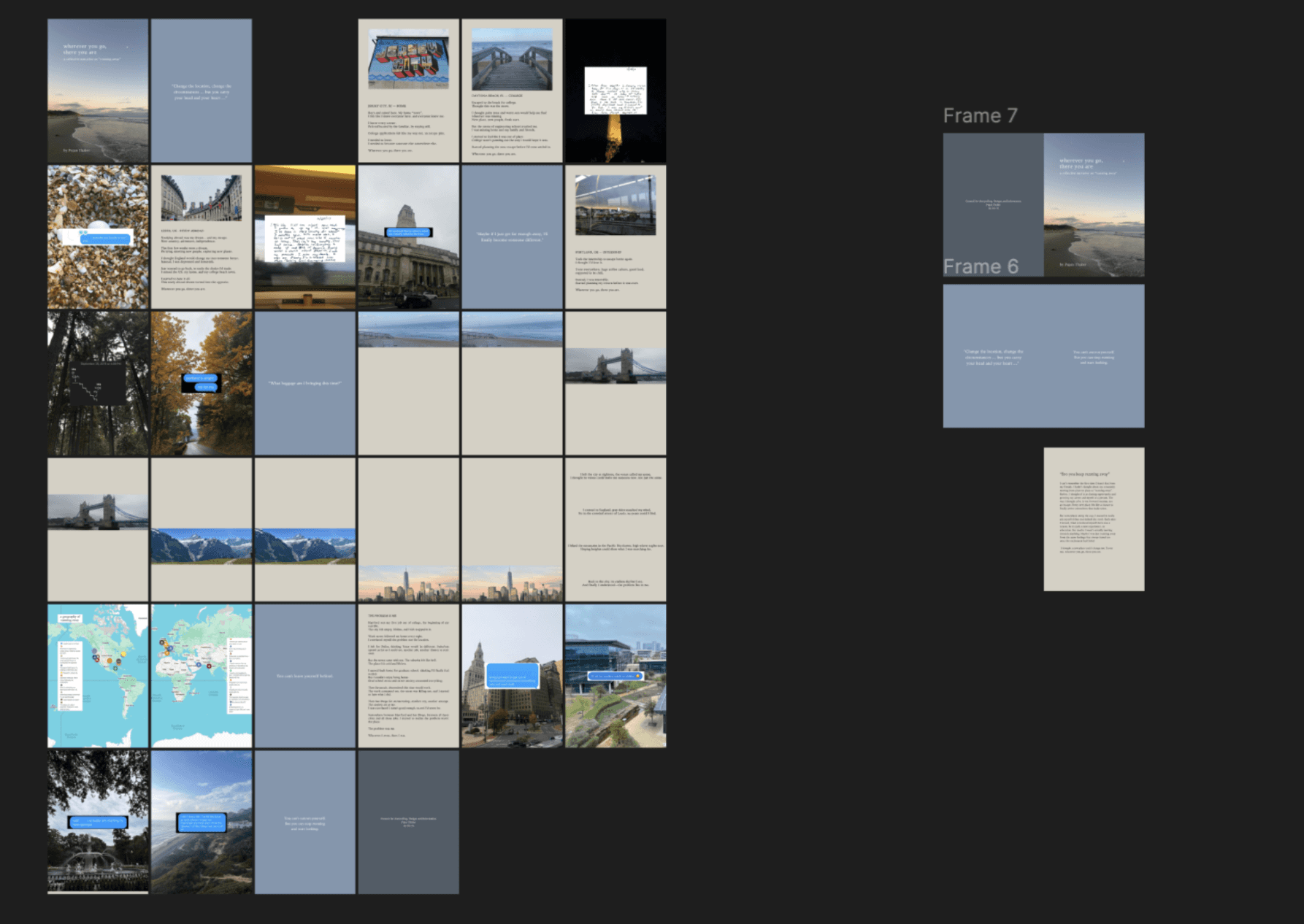
I had to rework the layout and sequences of the pages a few times to ensure that the book could print evenly on the standard Print lab printers.
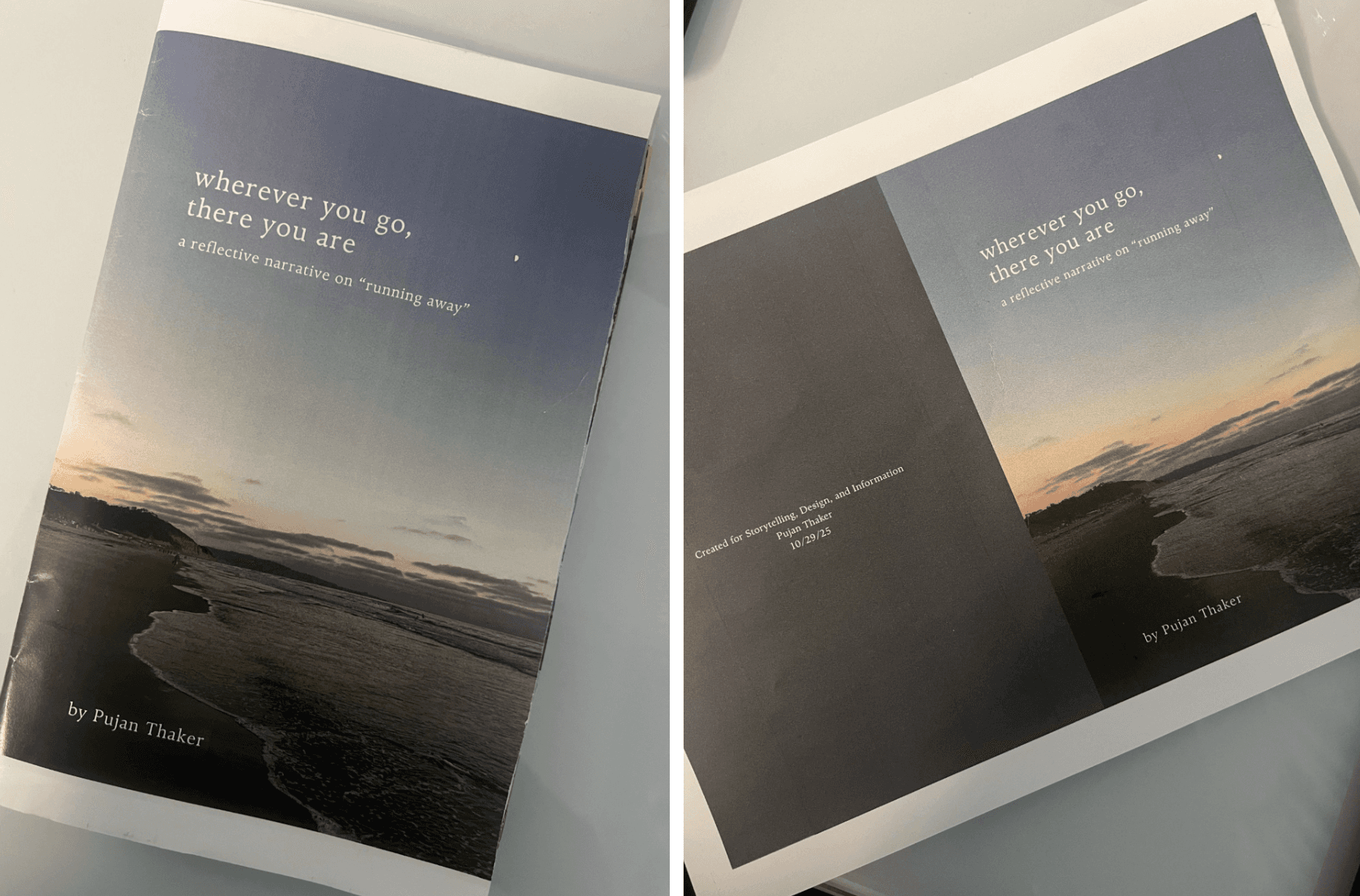
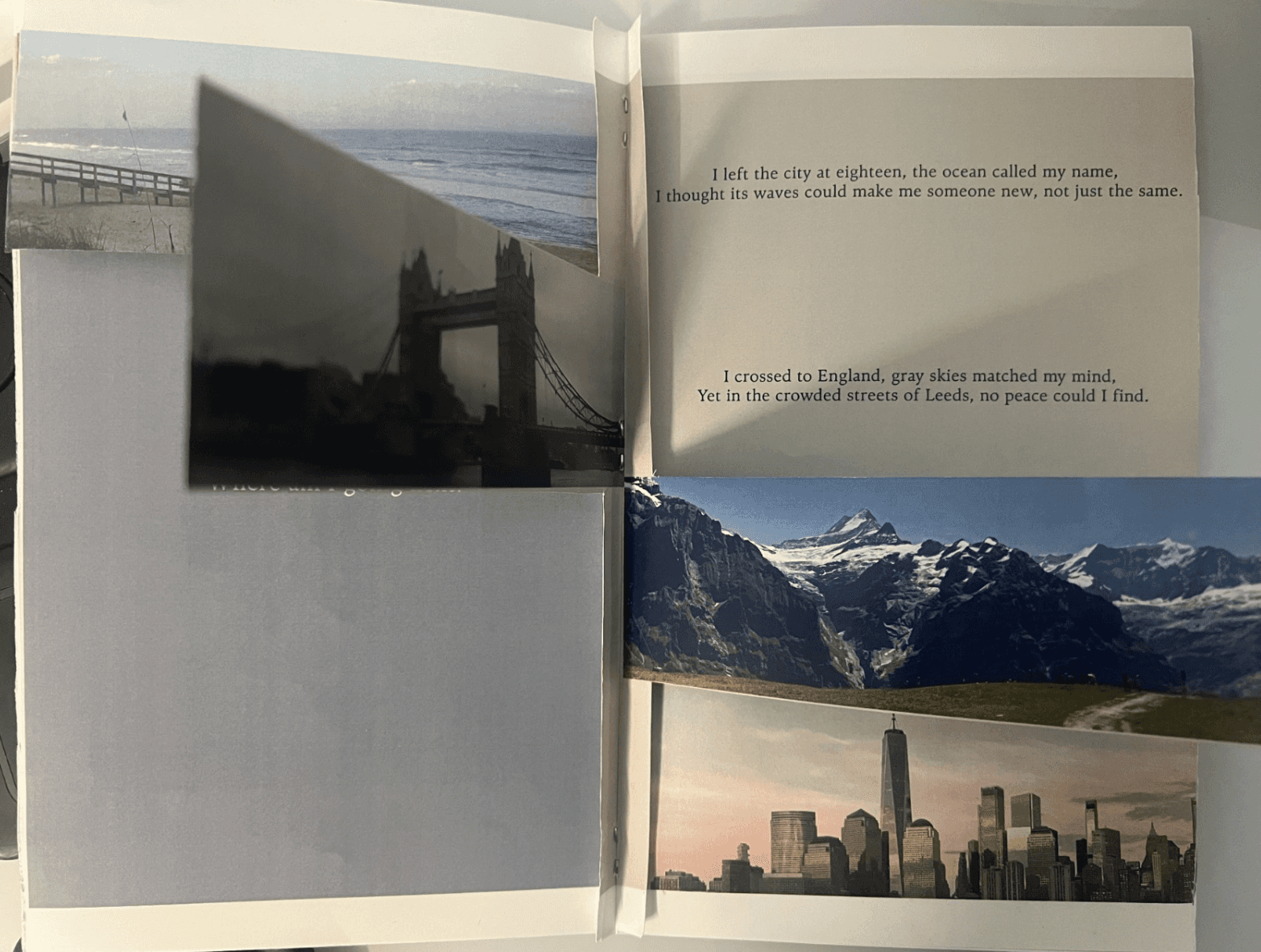
The final printed piece was designed to feel intimate, reflective, and emotional, closer to a personal journal than a coffee-table photobook. That emotion and intimacy reinforce the vulnerability of the content and encourage a thoughtful reflection, which is exactly what my goal was when creating a non-fiction narrative.
Conclusion & Reflection
Using storytelling and design to create a reflective nnarrative on "running away"
This project allowed me to create a story centered around my life and how I relate to "Wherever you go, there you are" in the form of a hybrid photobook and journal. By translating my feelings and emotions into a physical object, I was able to step back and see my experiences as a whole story, one defined by repetition rather than progress.
From a design standpoint, this project reinforced my interest in:
Using form to communicate meaning and emotion, not just content
Designing for emotional resonance
Experimenting with different design styles to tell stories
While the piece is deeply personal, my goal was never to make it only about me. I wanted readers to reflect on their own experiences in seeking external solutions for internal problems, and to question what they tell themselves about moving, changing, and growing as individuals.
Ultimately, Wherever You Go, There You Are is about looking inward instead of ahead.
Final Piece